Water Damage Restoration in Clayton, NC
Crews working in Clayton pull standing water, open only the walls and floors that readings prove are wet, and run drying equipment until the moisture map reaches dry targets. Downtown Clayton, Flowers Plantation and Cleveland homes get the same documented routine.
(888) 578-4720Call a Clayton drying crew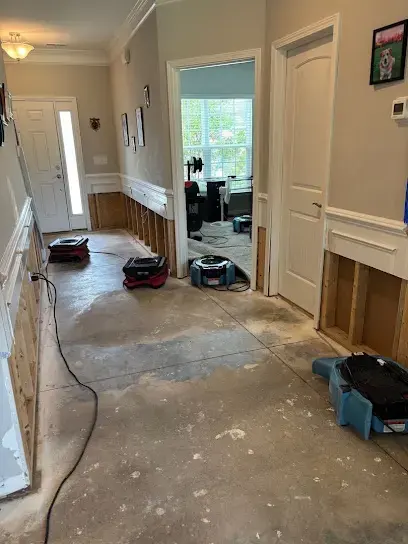
Equipment crews bring to Clayton
Safe steps to take at home before the crew
- 1
Stop the source if it is safe to reach. Close the main shutoff or the valve at the fixture, and keep the power off in wet rooms.
- 2
Switch off electricity to wet areas at the breaker panel, and stay out of standing water that touches outlets or cords.
- 3
Lift small items and electronics off wet floors, then photograph each wet surface first.
- 4
If the water came from a toilet, a drain or storm flooding, keep people and pets away from it and do not run a vacuum.
- 5
Leave wet carpet and drywall in place for the crew to read and document, and open windows only when the weather allows.
Water damage services across Clayton
Each service below has its own page for Clayton, covering the cause, the process and a typical price range for local homes and businesses.
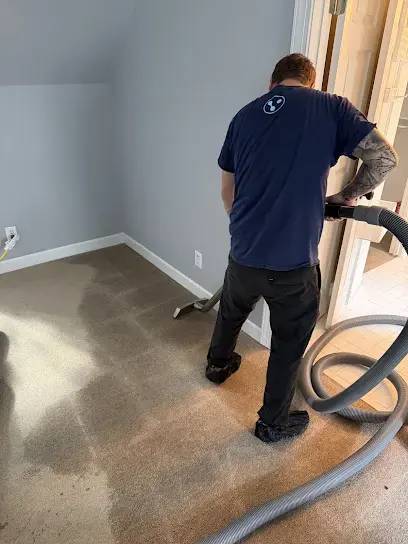 Water Extraction and RemovalTruck-mounted pumping and weighted tools clear standing water from carpet, pad and floors in Clayton homes.Costs, steps and FAQs
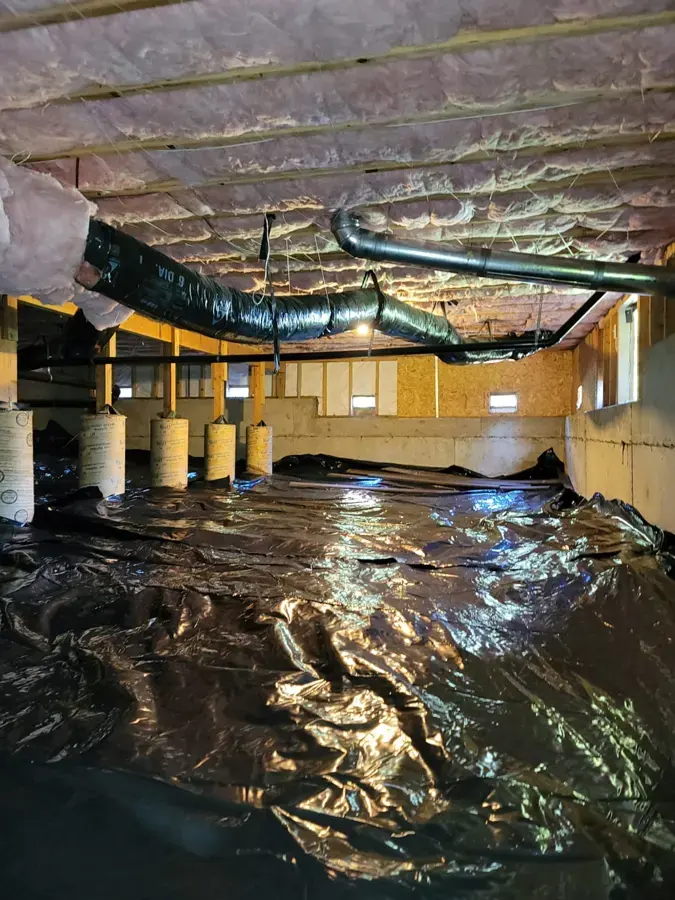 Crawl Space Water RemovalPump-out, wet insulation removal and joist drying for crawl spaces holding storm or plumbing water.Costs, steps and FAQs
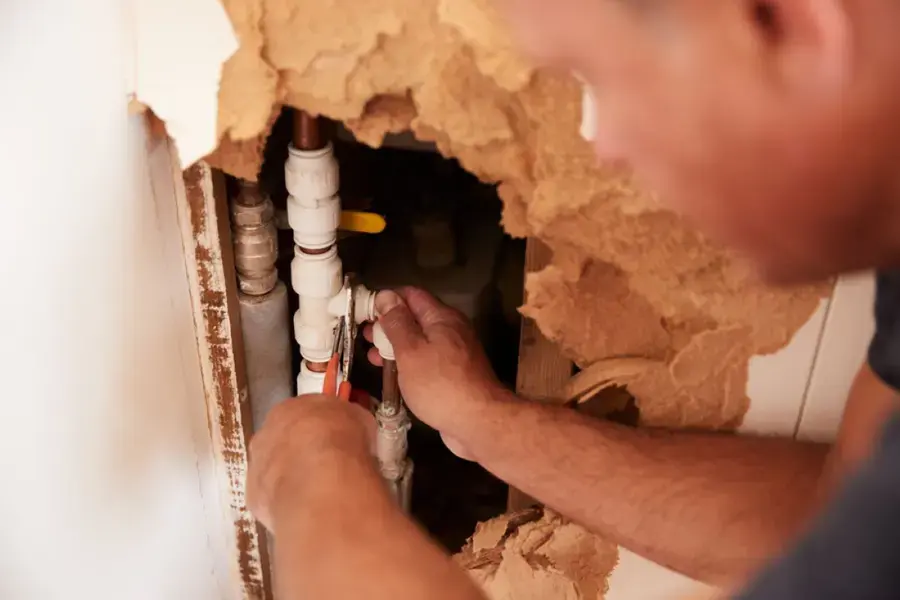 Burst Pipe Water DamageFrozen or failed pipes flood a wall fast, so crews extract, open the cavity and dry it.Costs, steps and FAQs
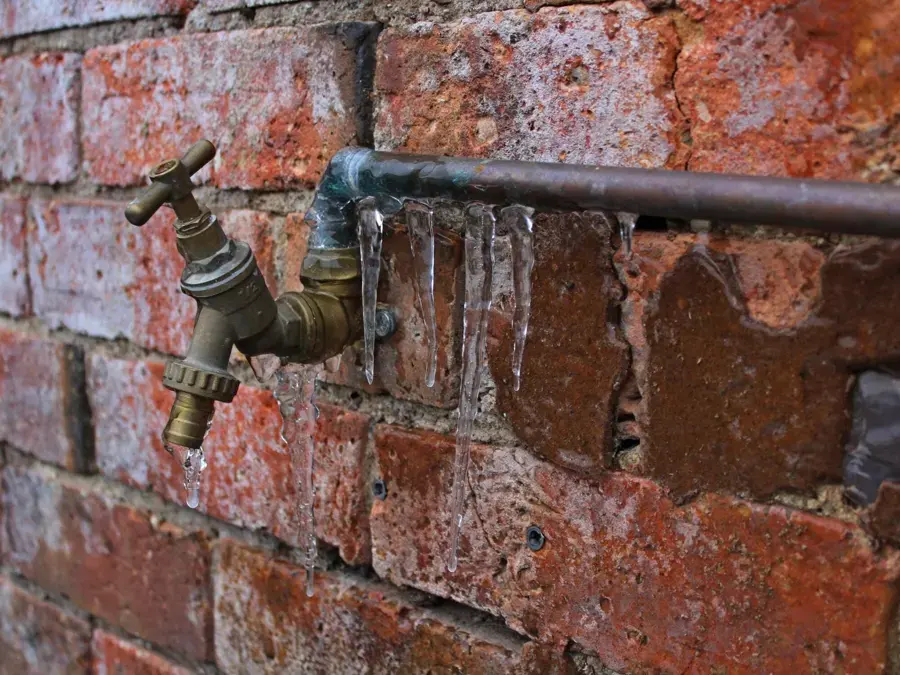 Frozen Pipe CleanupPipes that thaw after a hard freeze often leak behind drywall, and crews check cavities and attics.Costs, steps and FAQs
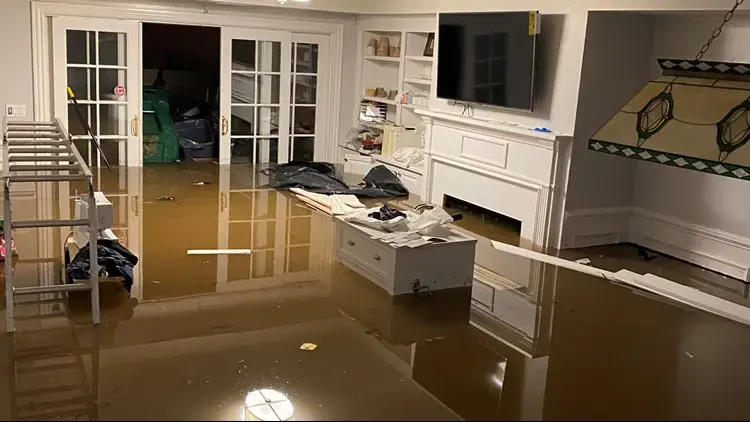 Storm and Flash Flood CleanupContaminated floodwater from heavy rain or Neuse River overflow is contained, extracted and cleaned out.Costs, steps and FAQs
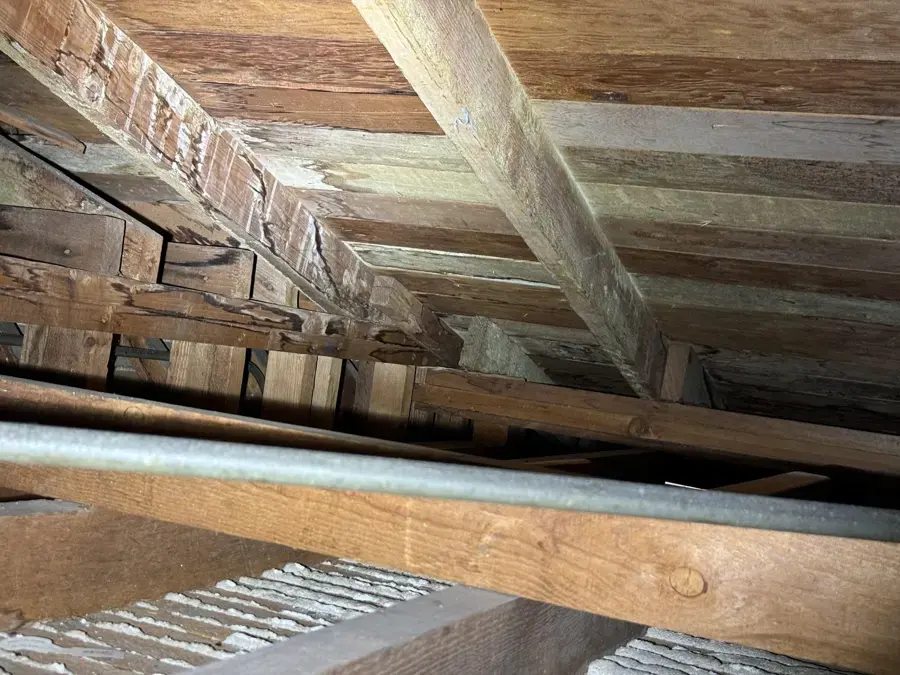 Roof Leak Water DamageRain through damaged roofing soaks attic insulation and ceilings, and crews dry decking, joists and drywall.Costs, steps and FAQs
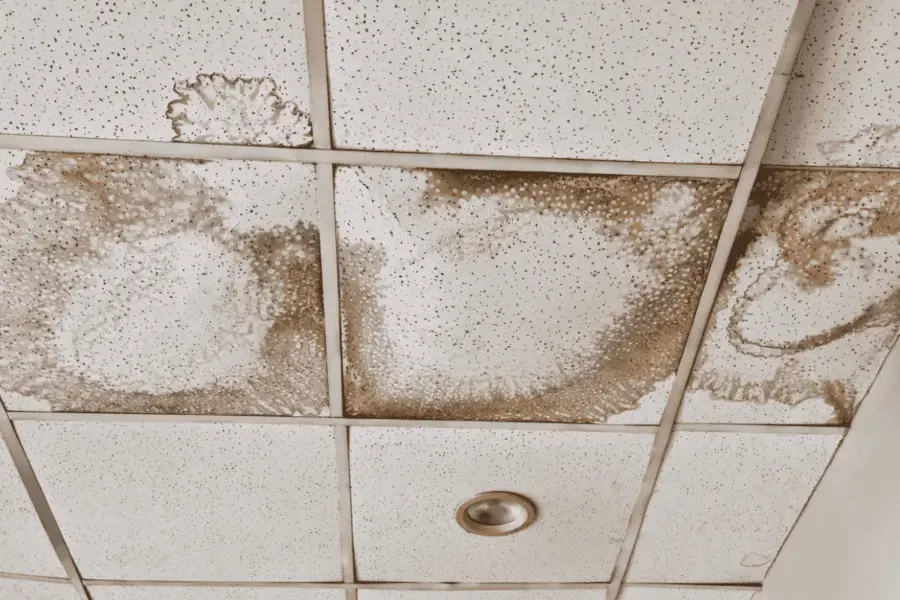
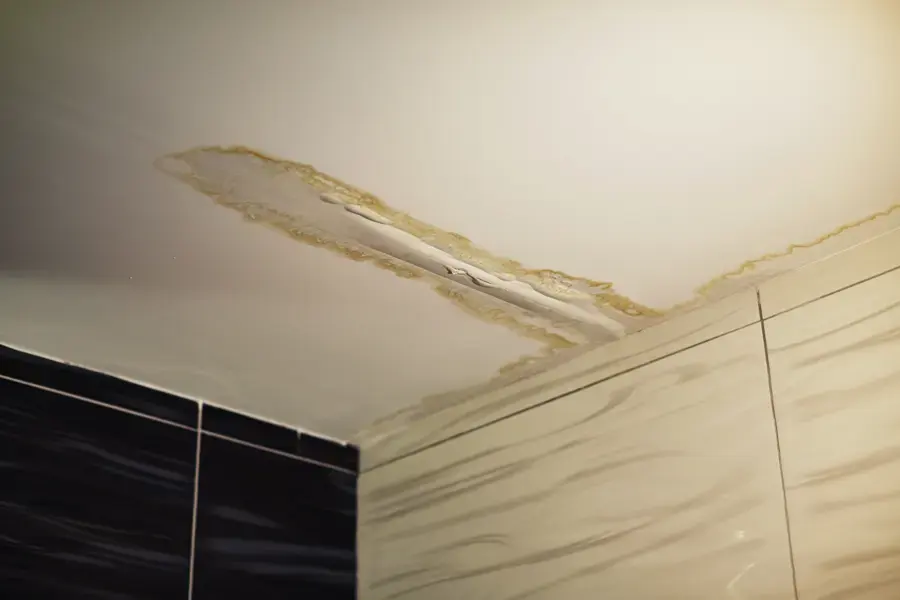 Ceiling Leak Water DamageA stained or sagging ceiling signals water above, so the source is traced before drywall comes down.Costs, steps and FAQs
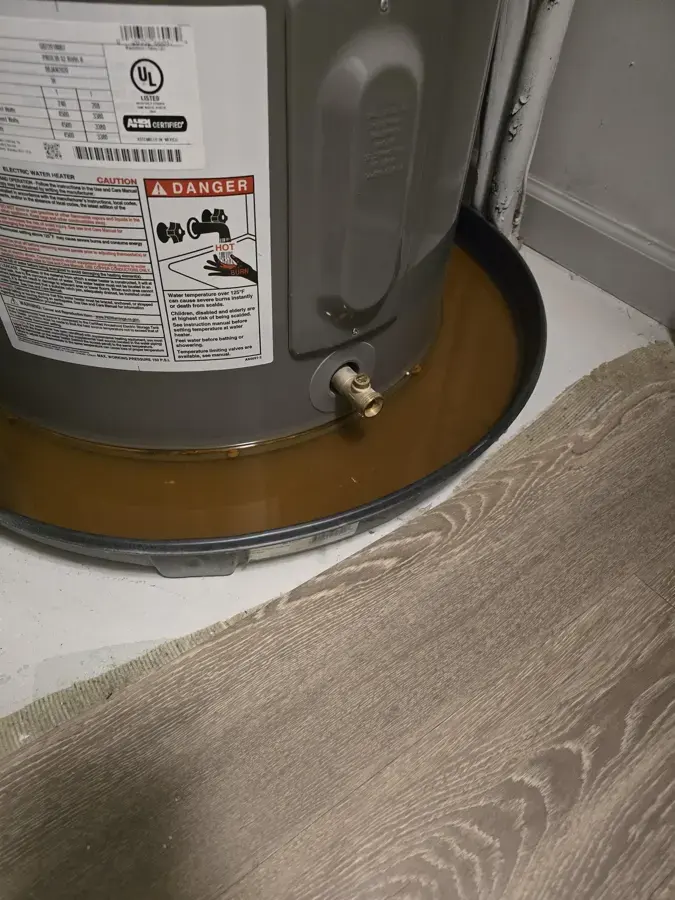 Water Heater Leak CleanupFailed tanks flood garages, closets and attics, and crews extract the water and dry what it reached.Costs, steps and FAQs
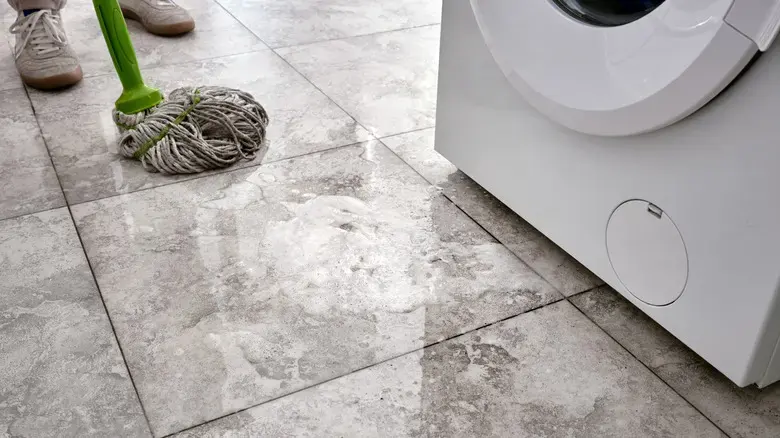 Appliance and Supply Hose LeaksWasher hoses, dishwashers and refrigerator supply leaks soak floors and cabinets, often out of sight.Costs, steps and FAQs
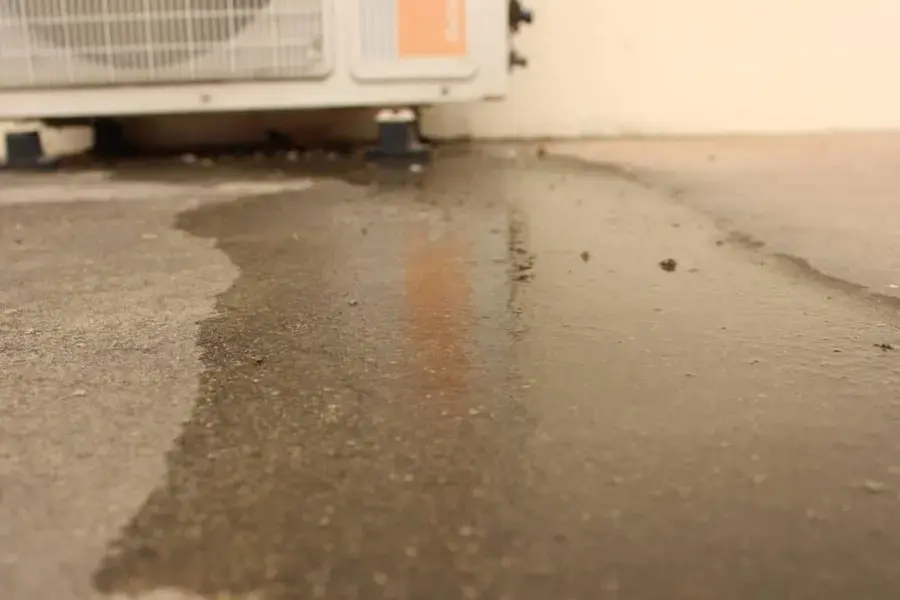 AC and HVAC Condensate LeaksClogged condensate drains drip into ceilings and closets, and the gray water is extracted and dried.Costs, steps and FAQs
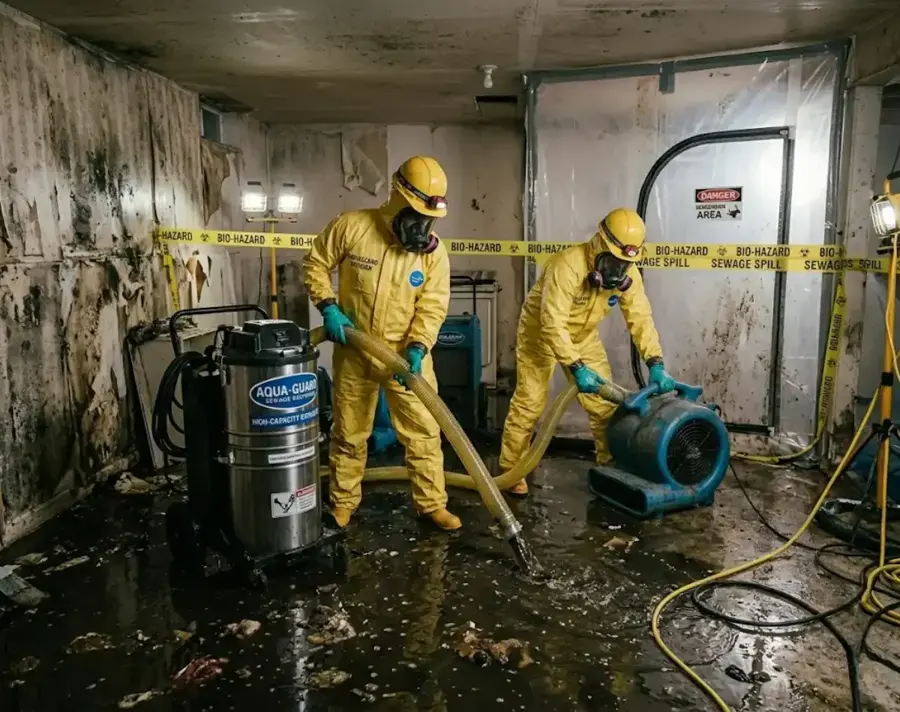 Sewage Backup CleanupBackups push contaminated water into floors and walls, so crews contain it, remove it and sanitize.Costs, steps and FAQs
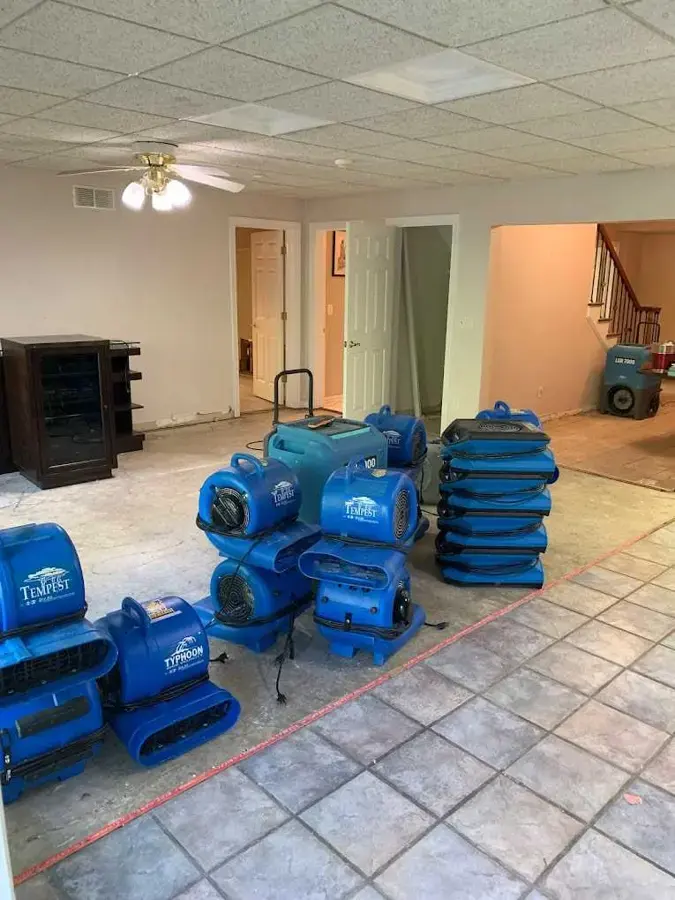 Structural Drying and DehumidificationAir movers, dehumidifiers and daily readings take wet framing and subfloors down to dry standard.Costs, steps and FAQs
 Commercial Water DamageShops, offices and manufacturing floors get phased drying and documented work around daily operations.Costs, steps and FAQs
Clean, gray and black water need different handling
Water is sorted by what it carries. The category decides which materials can be dried and which must go.
Clean water
From a supply pipe, a tank or rain through a roof. Dries fast when caught early, and carpet and pad can often stay.
Gray water
From dishwashers, washers or a condensate drain. It carries some contamination, so affected porous materials are usually removed.
Black water
From sewage or river floodwater. It is unsafe, so crews contain the area, remove porous materials and sanitize.
See sewage backup cleanupDrying measured against S500 targets, not guesses
A job ends when readings say it is dry, not when the floor feels dry. Every Clayton job follows the same four steps.
- 1
Mapping the moisture
Meters and a thermal camera trace water well past the visible stain, and those readings become the starting point and the target for the whole job.
- 2
Pulling the water
Extraction removes what can be pumped, then soaked padding and porous materials that cannot be saved are cut out and carried off.
- 3
Setting the dryers
Air movers and dehumidifiers are placed by room volume and how wet each surface is, not by a fixed count per room.
- 4
Reading it dry
Daily visits log the numbers until framing and subfloor match dry targets, and only then does the equipment leave the house.
Equipment stays in place until the readings clear, which can be a few days, or longer for hardwood, thick framing, older plaster and crawl spaces.
What sets this crew apart on Clayton jobs
Local response
Crews already work the roads around Main Street, Cleveland and Flowers Plantation, so travel to a Clayton job is short.
Honest scope
Tear-out stops where readings turn dry. Nothing is opened for show, and nothing wet is left closed up behind a wall.
Claim-ready documentation
Moisture logs, equipment records and dated photos arrive in a form an adjuster can follow.
Clayton water knowledge
Neuse River storms, freeze events and a mix of older and new construction all shape the drying plan for each home.
What water damage work costs in Clayton
Most Clayton jobs land between $1,200 and $18,000 or more, depending on how much of the home got wet, how long it sat there and whether the water was clean, gray or contaminated by sewage or floodwater.
Small and caught early
- One room extracted
- Dryers and dehumidifier set
- Readings logged daily
Several rooms or hidden water
- Wet drywall and pad cut out
- Subfloor and cavity drying
- Moisture map kept current
Large or contaminated loss
- Wet drywall and flooring removed
- Antimicrobial treatment
- Containment and air scrubbing
These are ranges, not quotes. An on-site inspection with a moisture meter is what turns a range into a firm scope of work.
Records that back your claim
Adjusters ask for proof of what was wet, how long it stayed wet and what the crew did about it.
- Dated photos of every wet area and item
- Moisture readings taken room by room each day
- Logs of equipment placement and removal dates
- Itemized scope listing every material removed
Sudden events such as a burst pipe or a failed water heater are often covered, while rising floodwater usually needs a separate flood policy. Check with your own insurer, and send the crew's records along with your claim.
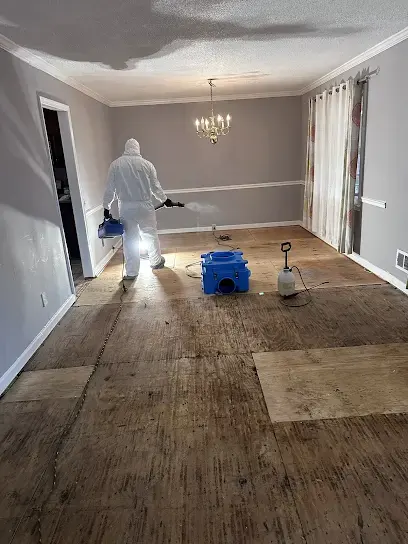
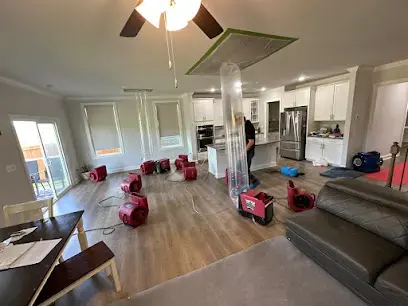
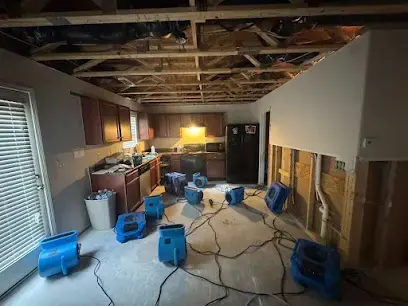
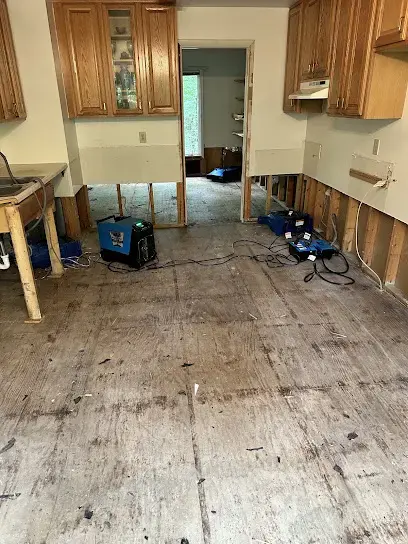
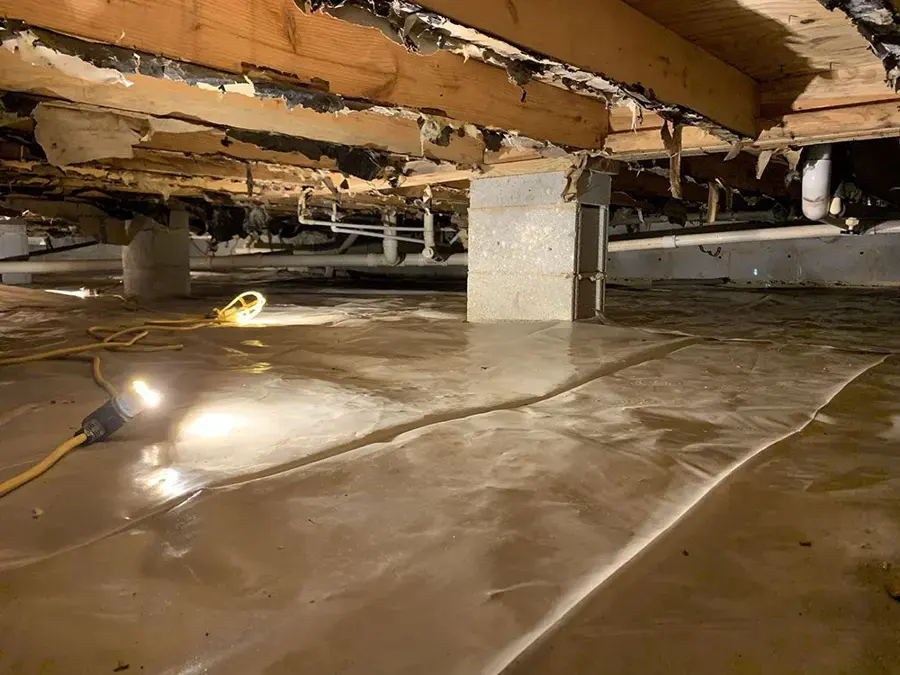
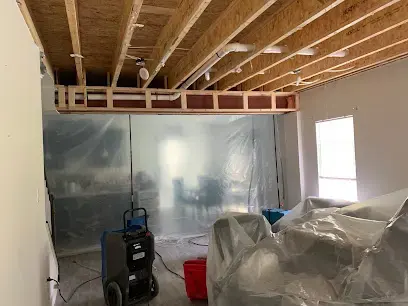
What a typical drying setup looks like
Where Clayton crews work
Crews serve the town center, the newer subdivisions and the outlying communities that use Clayton mailing addresses, from Powhatan and Cleveland to Flowers Plantation.
Clayton ZIP codes
Both ZIP codes get the same drying standard, whether the home is historic or recently built.
Town center
Neighborhoods
Roads and waterways
Water does not wait for business hours
Pipes fail at night, storms hit on weekends and tanks give out on holidays. Clayton calls are taken around the clock, and the sooner extraction begins, the more carpet, pad and framing can usually be kept.
What threatens Clayton homes through the year
Clayton sits in the Neuse River basin and has a humid subtropical climate. Tropical storms, winter ice, aging water heaters and everyday plumbing failures each show up in local water damage calls, so no single season tells the whole story.
Hurricane season
- Hurricane Matthew in 2016 and Hurricane Florence in 2018 brought severe flooding, road closures and long power outages to inland North Carolina, and Tropical Storm Debby pushed the Neuse River over its banks in August 2024.
- Closed greenway sections and flooded roads are the visible signs; wet crawl spaces and garages follow.
Winter freeze
- Winter Storm Fern led the Town to declare a State of Emergency on January 24, 2026, and a cold snap on February 2 brought a water shortage advisory and a request to check for leaks as pipes thaw.
- Many bursts show up at the thaw.
All year
- A sewer overflow after heavy rain in July 2026 sent about 1,000 gallons into Little Creek, and water heater leaks, hose splits and drain clogs happen in every month.
Areas served: Calls come from Downtown Clayton, Flowers Plantation, Glen Laurel, Riverwood, Cleveland and Powhatan alike, in older and newer homes.
Clayton water damage questions
What should I do first after water gets in?
Stop the source if the valve is reachable, switch off power to wet rooms and photograph everything. Then call a crew so extraction begins while carpet and pad can still be saved.
Does Clayton require a permit for plumbing repairs?
The Town requires a plumbing permit to install, extend, relocate, replace or generally repair a plumbing system, though not for minor fixture repairs. The Engineering and Inspections Department handles inspections, so a plumber should confirm what the repair needs.
How long does structural drying take?
Most rooms need three to five days of equipment, while hardwood, thick framing and crawl spaces can take longer. Daily readings set the finish date, not a calendar guess, and the crew explains each number it records.
Is floodwater handled differently from a leak?
Yes. Water from the Neuse River or heavy storm runoff is contaminated, so porous materials are usually removed, surfaces get antimicrobial treatment and crews wear protective gear.
Will my homeowners policy cover water damage?
Sudden events like a burst pipe are often covered, while rising floodwater usually needs separate flood coverage. Ask your own insurer, and give the adjuster the crew's photos, readings and logs.
Do older homes dry differently from newer ones?
Clayton pairs the older homes of the Clayton Historic District with newer suburban construction. Plaster, old hardwood and modern drywall each get their own readings and drying plan.
Can drying equipment run while the household stays home?
Yes, though air movers and dehumidifiers are loud and warm the room. Crews place them to protect walls and cabinets, and explain which rooms to avoid until readings reach dry targets and the equipment can be shut off.
What if pipes froze and burst while nobody was home?
The Town warns that freezing can burst pipes, and thawing can reveal hidden leaks. Shut the main valve and call a crew; drywall and flooring removal is likely if water ran for hours.
Does restoration include rebuilding walls and floors?
Restoration covers extraction, tear-out and drying. Rebuilding drywall, flooring and trim is separate construction work, though the drying records show a contractor exactly what was removed.
Can a Main Street business get the same service?
Commercial jobs use phased plans that keep part of a shop or office running, with after-hours work when needed. Restaurants, offices and production floors each dry differently, so the plan is written room by room.
Water in your Clayton home or shop?
Call now to talk through what happened. Crews will ask about the source, the rooms affected and how long it has been wet, then set the right equipment to start drying.
- Garner, NC and southern Wake County
- Every hour of every day