Ceiling Leak Water Damage in Clayton, NC
A stained or sagging ceiling means water is sitting above it. Clayton crews map the moisture, open only what is wet and dry the joist bays, so the ceiling does not collapse or stay damp.
(888) 578-4720Clayton ceiling leak help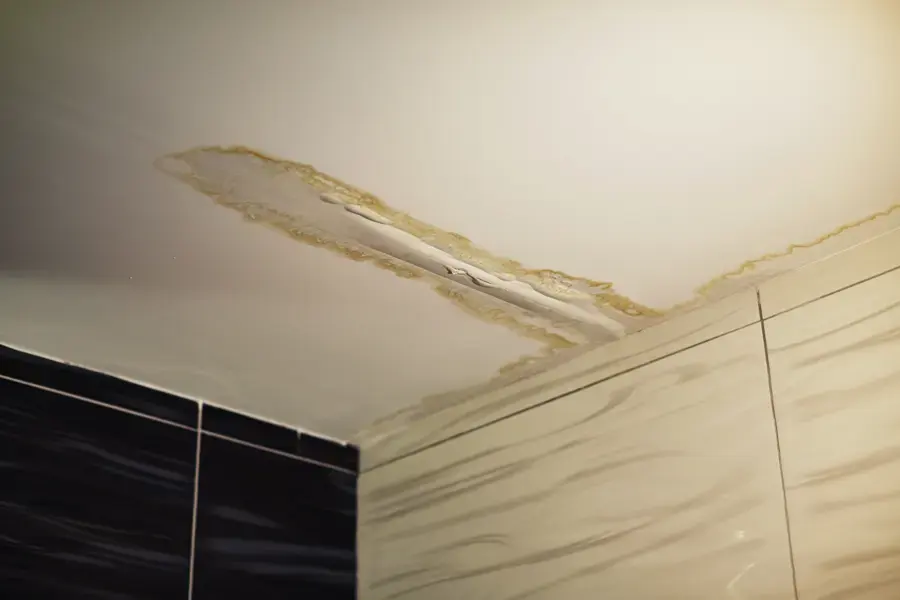
What to do when water drips through the ceiling in Clayton
- Map the moisture Meters and a thermal camera show the full wet area before any cutting.
- Open access Small holes or a cut section expose the joist bays for inspection.
- Remove wet material Soaked drywall and insulation come out and are bagged.
- Dry and check Dryers run in the cavities, then the floor above is read.
How ceiling leak water damage is handled in Clayton
Measured before anything is cut
The tech who does the walkthrough maps how far the water traveled into subfloor, baseboard, wall cavities and the crawl space, so the plan fits what is actually wet.
Dried as a whole structure
The drying team sizes air movers and LGR dehumidifiers to the class of loss and dries framing and cavities, not only the surfaces in view.
Logged for the adjuster
The restoration team keeps the moisture map, daily psychrometric readings and timestamped photos taken before any material comes out.
What does ceiling leak water damage cost in Clayton, NC?
Ceiling leak work in Clayton generally runs $900 to $10,000. A small stain dried in place sits at the bottom, and ceilings and walls across several rooms reach the top.
Small stain, dried in place
- Moisture mapping
- Small access holes
- Joist bay drying
Ceiling section opened
- Drywall and insulation removed
- Framing dried
- Floor above checked
Ceiling and walls below
- Several rooms opened
- Wall cavities dried
- Contents protected
Ranges are typical, not a quote. Water category, square footage, material class and how fast drying started move the number most; the water damage cost calculator gives a closer planning range.
The ceiling leak water damage process in Clayton, step by step
- 1
Map
Moisture is traced across the ceiling with meters and a thermal camera.
- 2
Open
Access holes or a cut section expose the wet joist cavities for work.
- 3
Remove
Wet drywall and insulation are cut out and bagged.
- 4
Dry
Equipment runs in the cavities until readings match dry targets.
Ceiling leaks often follow heavy storm rain or a plumbing leak above, and Clayton sees hurricane season rain and winter ice events. A brown stain is only the end of a path, so the first job is finding where the water started and how far it traveled before it showed.
Mapping before cutting
Moisture mapping shows how far the water spread through drywall and insulation. Small access holes let crews see into joist bays without removing the whole ceiling, and a thermal camera helps point to the wet edges before a single cut is made. Floors, furniture and nearby rooms are protected before any work begins.
- Moisture mapping across the ceiling
- Small access holes for joist bays
- Wet insulation removed
- Framing and floor above metered
When the ceiling must come down
Sagging, soaked drywall is removed for safety and so the framing can dry. Crews cover floors and furniture first, then bag debris and set dryers in the room and in the joist bays. See roof leak water damage when rain was the source, because the attic needs its own check.
Finding the source
A roofer or plumber fixes the cause, and restoration dries the damage, including from an AC condensate leak. The drying records, with dated photos and readings from each visit, help an adjuster follow what happened and what was removed, and they give the contractor a clean starting point for repairs. Photos of every opening are kept with the report, so nothing about the work is left to memory.
Ceiling leak water damage across Clayton and nearby towns
Ceiling leak crews cover Downtown Clayton, Flowers Plantation, Glen Laurel, Riverwood, Cleveland and Powhatan, plus the 27520 and 27527 ZIP codes, in both older homes and newer ones.
The same service nearby: ceiling leak water damage in Garner, Knightdale, Raleigh.
Related water damage services in Clayton
Ceiling Leak Water Damage questions in Clayton, NC
What causes a ceiling stain?
Roof leaks, plumbing leaks above and HVAC condensate can all leave stains. Meters trace the source before anything is cut.
Does the whole ceiling have to come down?
Not usually. Small access holes may be enough for a minor leak, while sagging drywall is removed.
Should I poke a hole in a bulging ceiling?
Water in a bulge can release suddenly. Place a bucket and call, so the crew can open it safely.
Can drying happen without removing drywall?
Sometimes. If the drywall is intact and readings are low, drying through small holes can work.
Why check the floor above?
A plumbing leak can soak the subfloor and flooring above the ceiling before the stain shows.
Will insurance cover a ceiling leak?
Sudden leaks are often covered, depending on the cause. Check with your own insurer and share photos and readings.
Is a sagging ceiling an emergency?
Yes. A sagging ceiling is holding water and may fall. Keep people out of the room, move belongings, and call so the crew can open it safely.
Dry out the ceiling cavity
Tell the crew where the stain is and when it began, and they will bring meters and drying equipment.
- Garner, NC and southern Wake County
- Every hour of every day