Water Damage Restoration Garner, NC
24/7 water damage restoration in Garner, NC. Whether storm water is pooling in the crawl space or a supply pipe let go inside a wall, the restoration team extracts the water, dries the structure to the IICRC S500 standard and documents every step for your insurance claim.
(888) 578-4720Water still spreading? Call Garner now.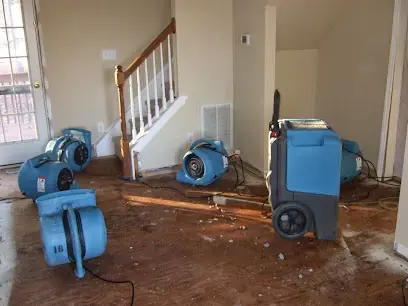
Equipment that does the drying
What to do while the water is still moving
- 1
Shut the main valve. In many Garner homes it sits in the crawl space near the front foundation wall or in a garage utility closet.
- 2
Turn off power to wet rooms at the breaker, but only if the panel area is dry.
- 3
Keep clear of standing water near outlets, cords and the furnace or air handler.
- 4
Photograph every wet room and the crawl space access before anything is moved or thrown out.
- 5
Move rugs and boxes off wet floors, then call. Wet drywall, pad and joists need to be drying inside 24 to 48 hours.
Water Damage Restoration Services in Garner, NC
Thirteen water and sewage services built around crawl space homes, summer storms and winter freezes, each one dried and documented to the same standard.
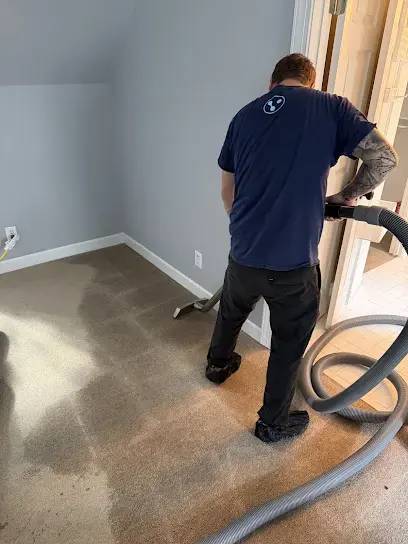 Water Extraction and RemovalTruck-mounted and portable units pull standing water before it wicks into drywall and subfloor.Costs, steps and FAQs
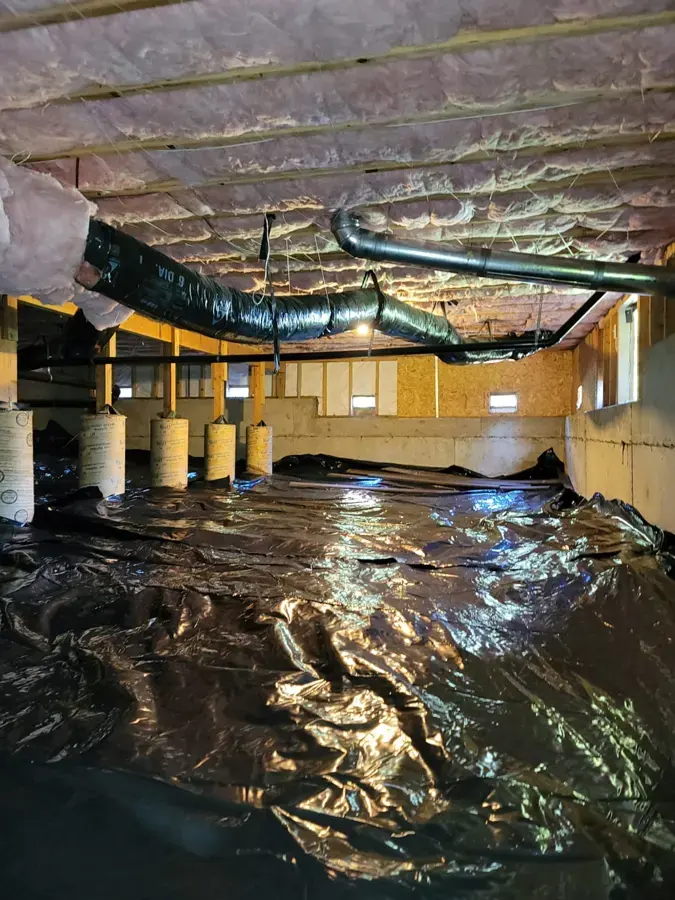 Crawl Space Water RemovalWater under the house pumped out, wet insulation pulled down and the joists dried to a reading.Costs, steps and FAQs
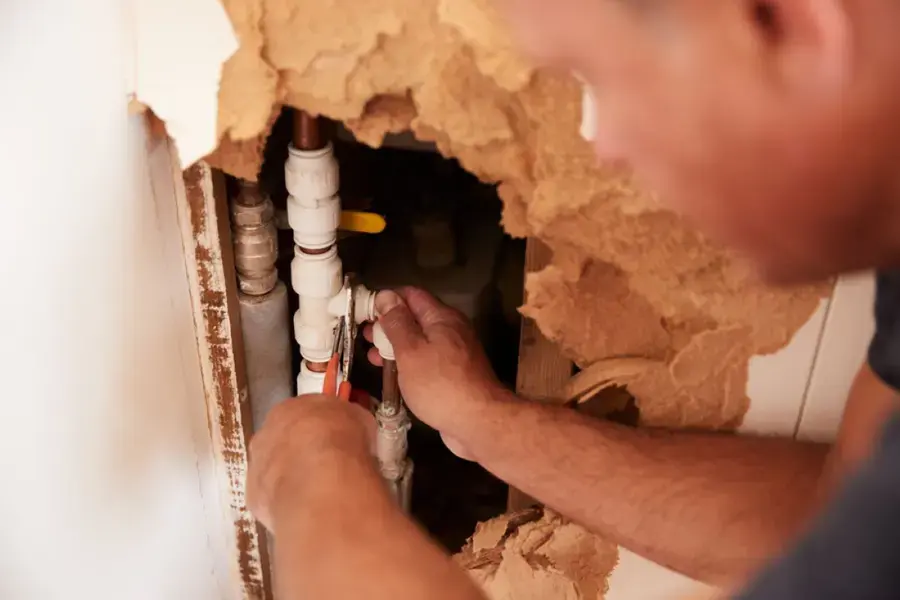 Burst Pipe Water DamagePolybutylene, copper and PEX failures inside walls and ceilings, extracted and dried in the cavity.Costs, steps and FAQs
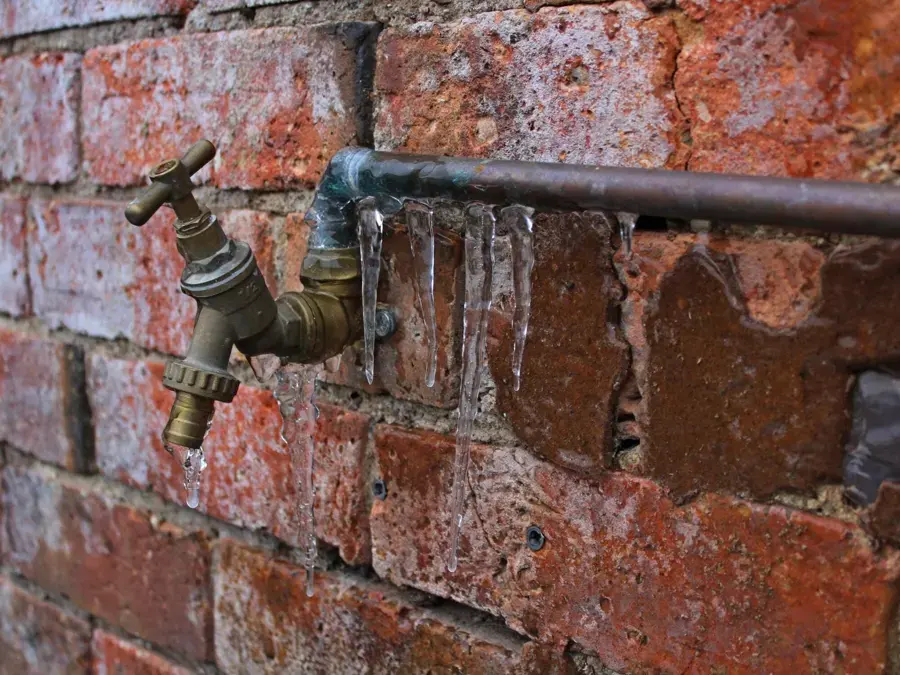 Frozen Pipe CleanupPipes that split in crawl spaces, garages and outside walls during a hard freeze, dried out.Costs, steps and FAQs
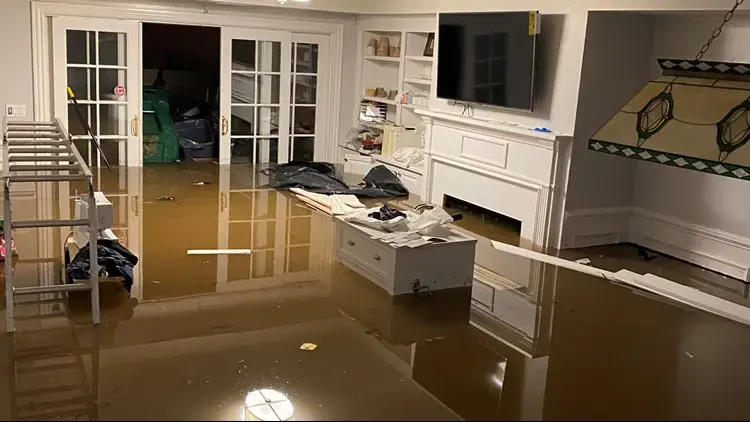 Storm and Flash Flood CleanupTropical storm rain and summer cloudbursts that get in through doors, garages and crawl vents.Costs, steps and FAQs
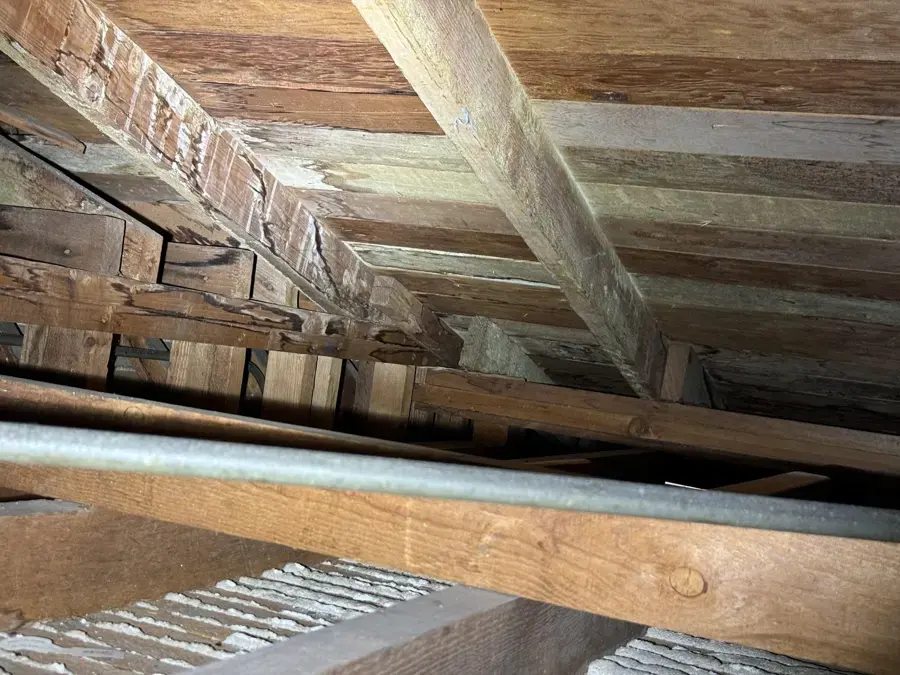 Roof Leak Water DamageWind-lifted shingles and failed flashing that soak attic insulation and top-floor ceilings.Costs, steps and FAQs
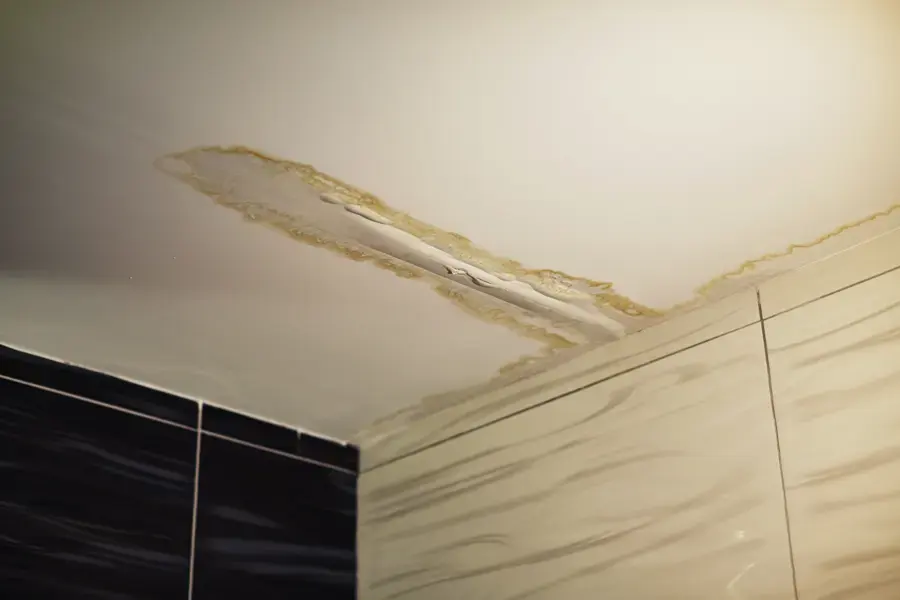 Ceiling Leak Water DamageUpstairs baths and supply pipes that wet drywall, insulation and the joist bays below.Costs, steps and FAQs
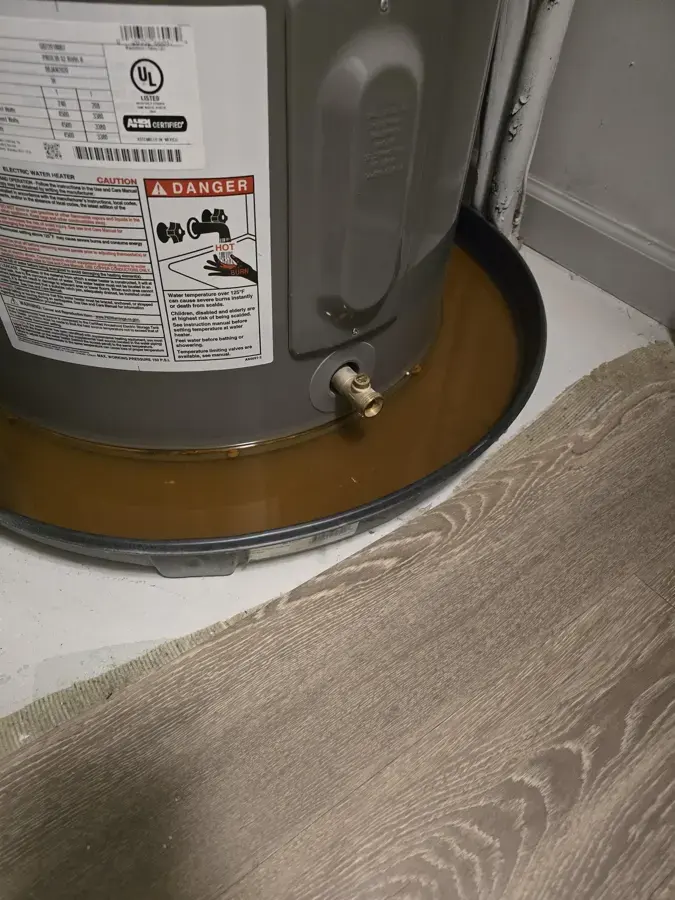 Water Heater Leak CleanupGarage, closet and attic tank failures caught before trim, drywall and subfloor soak through.Costs, steps and FAQs
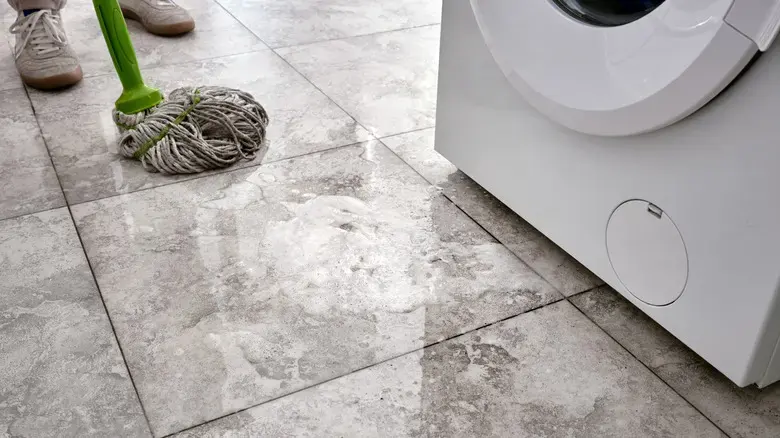 Appliance and Supply Hose LeaksWasher hoses, dishwashers, ice makers and toilet supplies that leak under floors and cabinets.Costs, steps and FAQs
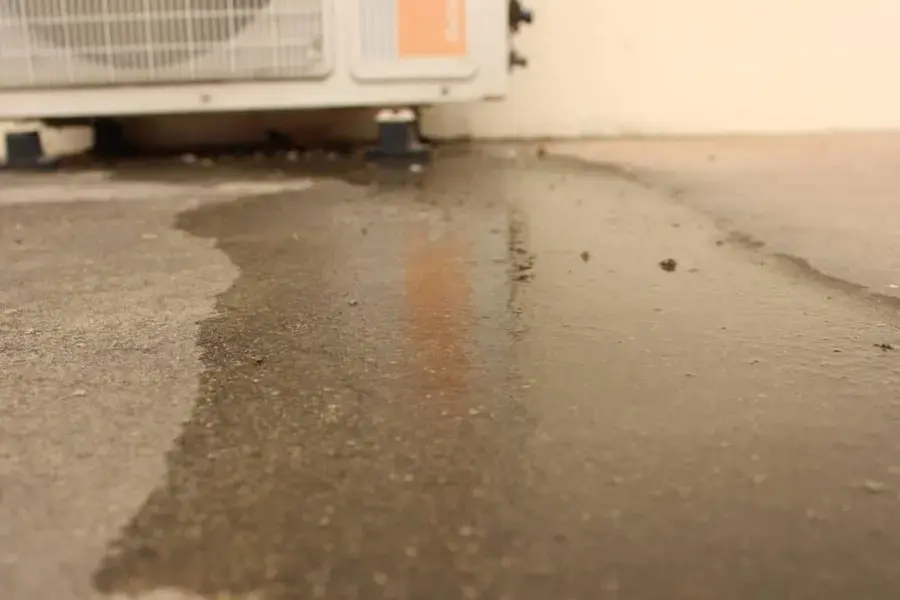 AC and HVAC Condensate LeaksClogged condensate drains and rusted pans on attic and crawl space air handlers, dried out.Costs, steps and FAQs
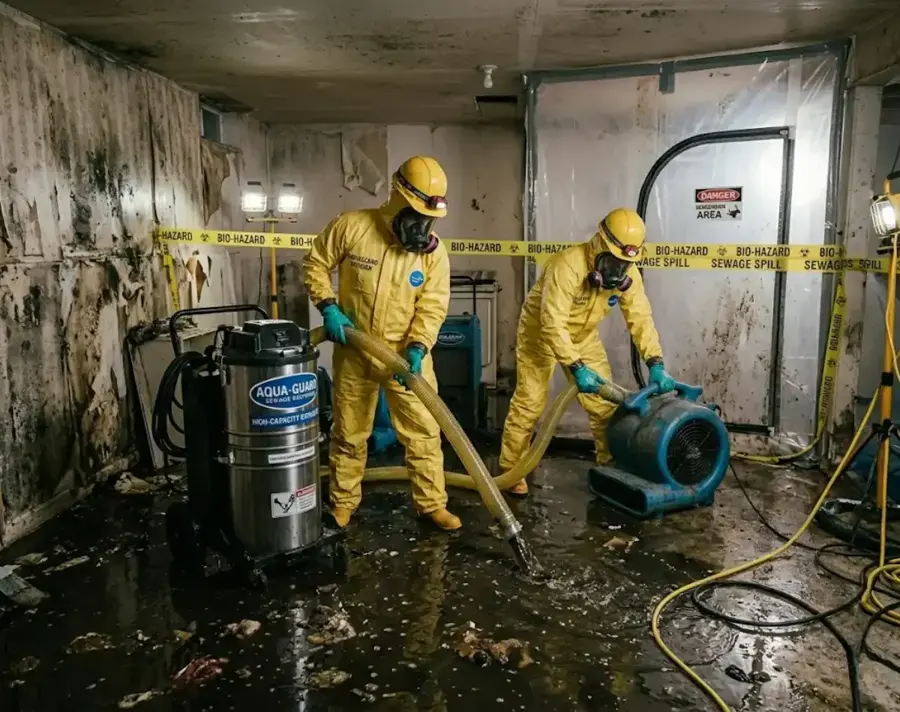 Sewage Backup CleanupCategory 3 backups contained, porous materials removed and the area disinfected before drying.Costs, steps and FAQs
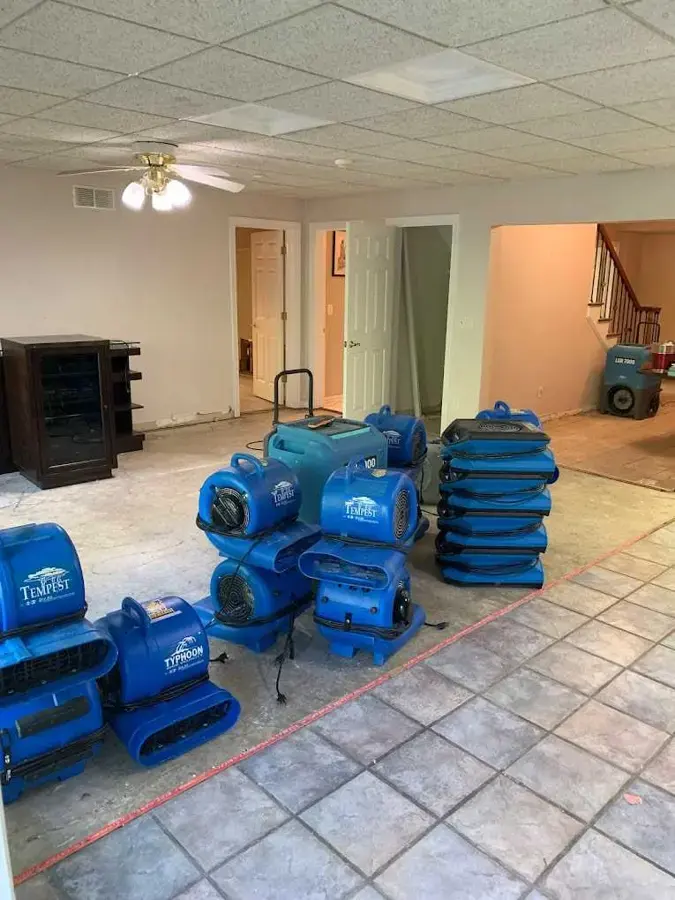 Structural Drying and DehumidificationFraming, subfloor and wall cavities dried to within 2 to 4 points of a dry reference.Costs, steps and FAQs
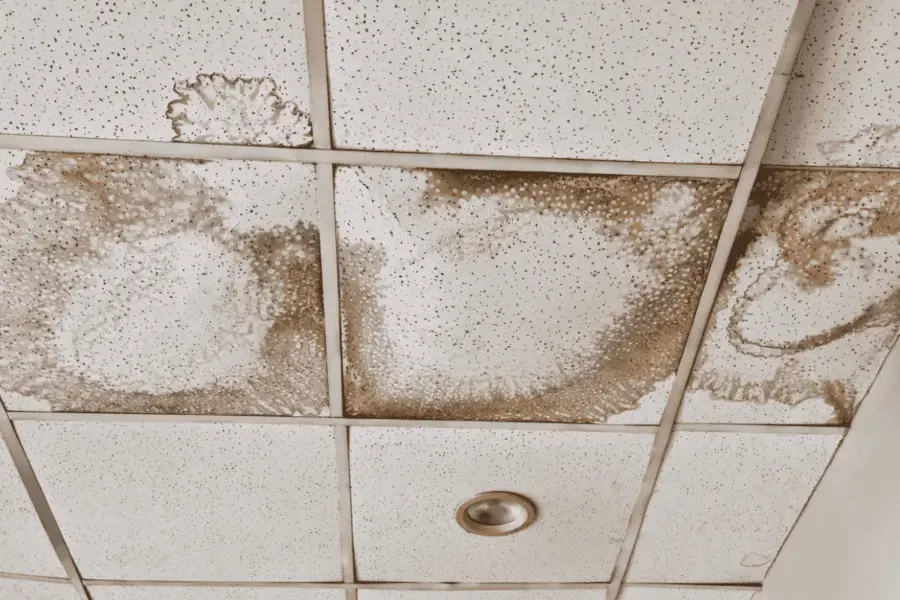 Commercial Water DamageShops, offices, churches and warehouses dried in phases so doors can stay open.Costs, steps and FAQs
All water damage categories covered in Garner, NC
Water gets graded before anything else happens, because the grade decides what can be dried and what has to come out.
Category 1, clean water
A burst supply pipe, a frozen pipe or a water heater tank. The extraction crew pulls it and dries in place before it degrades.
Category 2, gray water
Washer or dishwasher discharge, AC pan overflow, or clean water left sitting too long. Soaked pad and insulation usually come out.
Category 3, black water
Sewage backups and storm runoff from outside. Containment, removal of porous materials and an EPA-registered antimicrobial come first.
Sewage backup cleanup in GarnerWater damage dried to the IICRC S500 standard
What separates a finished dry-out from a cosmetic one is the order of the work and the readings at the end.
- 1
Moisture mapping
The tech who does the walkthrough maps wet materials with pinless meters and a thermal camera, including the crawl space, before any equipment goes down.
- 2
Extraction
The extraction crew pulls standing water with truck-mounted units, so it leaves the house instead of moving into the next room or under the floor.
- 3
Air movers and LGR dehumidifiers
The drying team sets air movers to each room's evaporation load and runs LGR dehumidifiers, with desiccants for Class 4 materials like hardwood.
- 4
Daily readings to the drying goal
Readings are logged daily, and equipment comes out when wet materials sit within 2 to 4 points of a dry reference.
A contained Class 1 loss usually dries in three to five days. Hardwood, plaster and crawl space framing take longer, and equipment leaves on readings, not on a calendar.
Why Garner homes get dried right the first time
Rapid local response
Dispatch runs around the clock, and active water anywhere in ZIP 27529 is treated as urgent, weekends and holidays included.
IICRC S500 drying standard
Structural drying, not just surface drying. Equipment stays in place until the readings say dry, not until the floor looks dry.
Claim-ready documentation
Moisture maps, daily drying logs and timestamped photos give the adjuster the record a water claim is decided on.
Southern Wake water know-how
Crawl spaces on red clay, hurricane rain, pipe freezes and humid-summer AC leaks: the local restoration pros know where Garner water goes.
What does water damage restoration cost in Garner, NC?
In Garner, NC, water damage restoration typically runs $1,200 to $9,500, and Category 3 or whole-house losses go higher. The drivers are the water category, the square footage that got wet, the material class and how fast drying started.
One room, clean water
- Extraction and in-place drying
- Three to five days of equipment
- Daily moisture readings
Crawl space or several rooms
- Wet insulation and pad removed
- Wall cavity and joist drying
- LGR dehumidifiers
Category 3 or most of the house
- Containment and HEPA air scrubbers
- Porous material removal
- EPA-registered antimicrobial
For a planning range on your own loss, try the water damage cost calculator. The restoration contractor who responds sets the real scope after the moisture map.
Documentation for your insurance claim
A water claim is decided on the file the adjuster receives. A complete file from the restoration team carries:
- The moisture map from the first walkthrough, crawl space included
- Daily psychrometric readings and drying logs
- Timestamped photos taken before any demolition
- The category and class of the loss, with a line-item scope
A sudden and accidental discharge, like a burst supply pipe or a failed water heater, is treated differently from storm runoff or rising water, which usually falls under flood coverage. Coverage depends on your policy, so check with your own insurer.
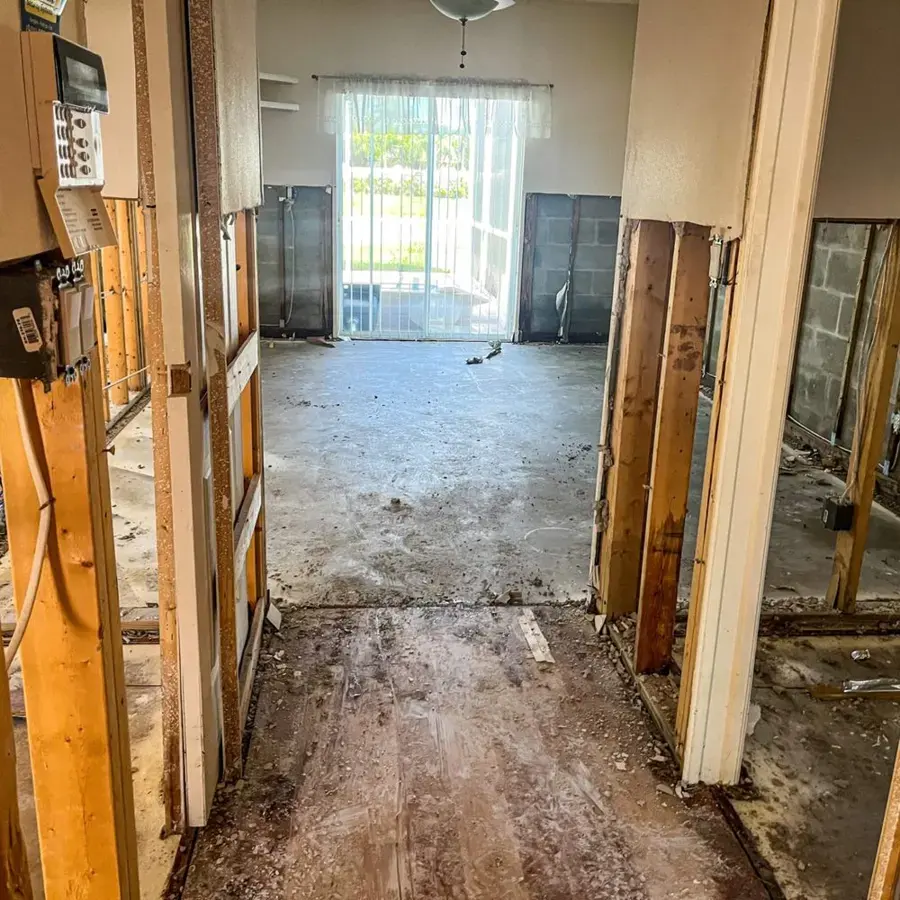
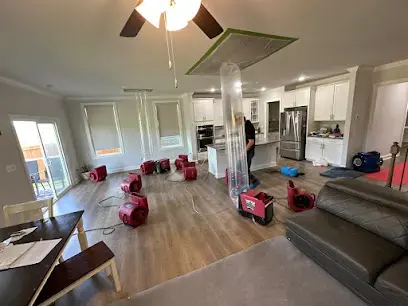
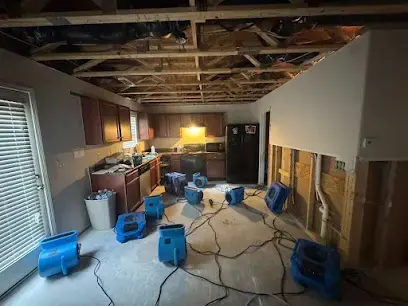
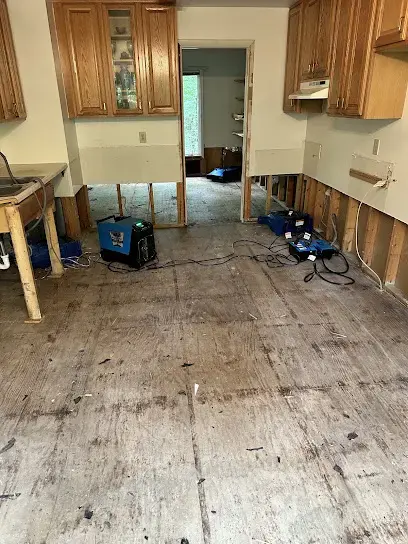
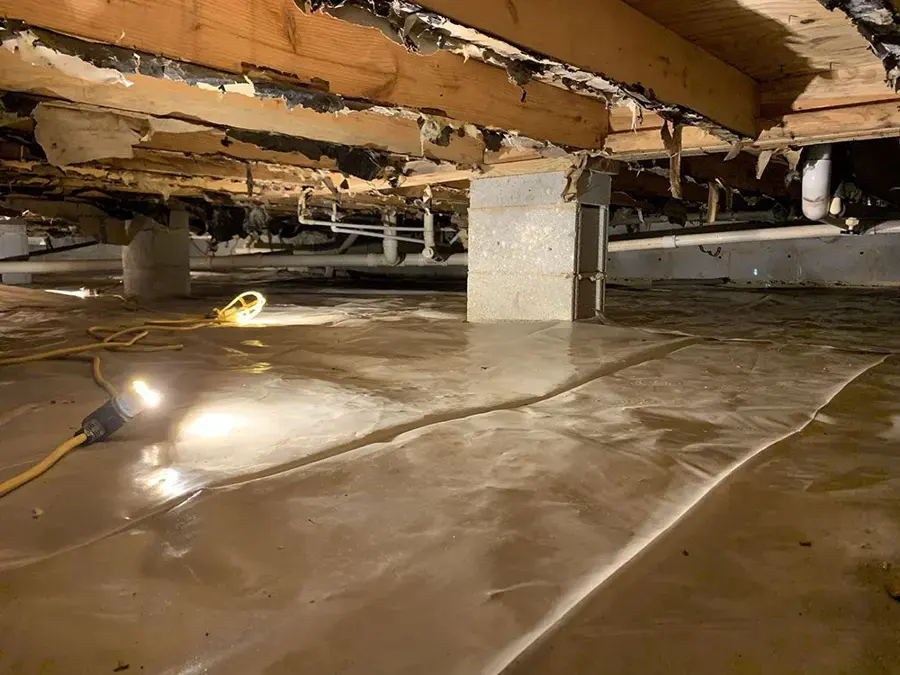
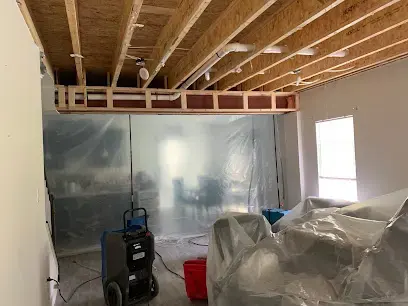
What a water damage dry-out looks like in Garner
Garner neighborhoods and ZIP codes covered
Emergency water removal and structural drying reach every part of Garner, from Historic Downtown and White Oak to Timber Drive, Vandora Springs and the homes around Lake Benson.
ZIP codes
Garner is ZIP 27529, and some Garner addresses carry Raleigh ZIPs 27603 and 27610.
Downtown and the US 70 side
Timber Drive and the middle of town
South Garner and Swift Creek
Nearby towns
24/7 emergency water removal across Garner, NC
Garner water damage pros run dispatch around the clock, weekends and holidays included. The extraction crew arrives with pumps, air movers and dehumidifiers sized to the loss, whether it sits in a living room or under the floor.
Water damage in Garner, NC: the local risk profile
Garner grew from a railroad stop into a Raleigh suburb, and many of its ranch and split-level homes sit on vented crawl spaces over eastern Piedmont red clay. That housing, slow-draining clay and a humid, storm-prone climate set the water losses here.
Storm season, June to November
- Hurricane Fran in 1996 brought down trees across the Raleigh area, and Florence in 2018 was the most recent hurricane to hit the area hard; wind-driven rain gets in at flashing, vents and lifted shingles.
- Summer cloudbursts overwhelm gutters, and clay that drains slowly sends the water into crawl spaces and low garages along Swift Creek and Lake Benson.
Freeze season, December to February
- A few hard freezes each winter split pipes in vented crawl spaces, garages and outside walls; the December 2022 cold snap burst pipes across the Triangle.
- Ice storms bring down limbs that puncture roofs and let rain into attics.
All year
- Gray polybutylene supply pipe in homes plumbed from the late 1970s to the mid 1990s, aging water heaters in garages and closets, and AC condensate drains that clog in humid months keep water losses coming year round.
Areas served: Garner (27529, plus Garner addresses in 27603 and 27610), Raleigh, Clayton, Knightdale, Fuquay-Varina, Cary, Willow Spring and Cleveland.
Garner water damage questions, answered
How fast can a restoration crew start in Garner?
Dispatch runs 24/7, weekends and holidays included, and active water is treated as urgent at any hour. Materials that start drying inside 24 to 48 hours usually stay out of the mold growth window.
Is water damage covered by homeowners insurance in North Carolina?
A sudden and accidental discharge, like a burst supply pipe or a failed water heater, is usually covered after the deductible. Storm runoff and rising water coming in from outside are treated as flood, which a standard policy often excludes. Coverage depends on your policy, so check with your own insurer.
What causes most water damage in Garner homes?
Four things: storm water that collects in crawl spaces on slow-draining red clay, winter freezes that split pipes under the floor, aging supply pipe and water heaters, and AC condensate drains that clog in humid summers.
Why does water end up in so many Garner crawl spaces?
Many older Garner homes sit on vented crawl spaces over clay that drains slowly. Rain that pools along the foundation, a torn vapor barrier or a dripping air handler leaves water under the house, where it soaks insulation and joists out of sight.
How long does it take to dry a wet house?
A contained Class 1 loss, one room with low-porosity materials, usually dries in three to five days. Hardwood, plaster and crawl space framing take longer. Equipment comes out when readings match a dry reference.
What is the IICRC S500 standard?
IICRC S500 is the industry drying standard for water damage restoration. It sets how water is categorized, how a loss is classed and how dryness is verified.
What is the difference between mitigation and repair?
Mitigation stops the damage: extraction, removal of what cannot be saved, and drying to the S500 goal. Repair puts the home back with new drywall, paint and flooring, and it starts only after the structure reads dry.
When does wet drywall have to come out?
Drywall touched by clean water can often be dried in place with small access holes and cavity drying. Drywall soaked by Category 3 water, or wet long enough to swell, crumble or grow mold, gets cut out, usually a set height above the water mark.
Why is sewage handled differently?
Sewage backup is Category 3 water the moment it happens. The mitigation team sets containment, runs HEPA air scrubbers, removes porous materials it touched and applies an EPA-registered antimicrobial before drying begins.
How is the cost of water damage restoration figured?
The scope follows the water category, the square footage that got wet, the material class and how fast drying started. The cost calculator gives a planning range.
Water in your Garner home? Call now.
Every hour water sits, it moves deeper into pad, drywall and the framing under the floor. The Garner restoration crew extracts, dries to the S500 goal and documents the loss for your claim.
- Garner, NC and southern Wake County
- Every hour of every day