Water Damage Restoration in Raleigh, NC
24/7 water damage restoration in Raleigh, NC, from the older streets inside the Beltline to South Raleigh along US 401 and US 70. Crews pull out standing water, bring framing and subfloor back to a verified dry reading and keep a full record for the adjuster.
(888) 578-4720Water spreading in Raleigh? Call now.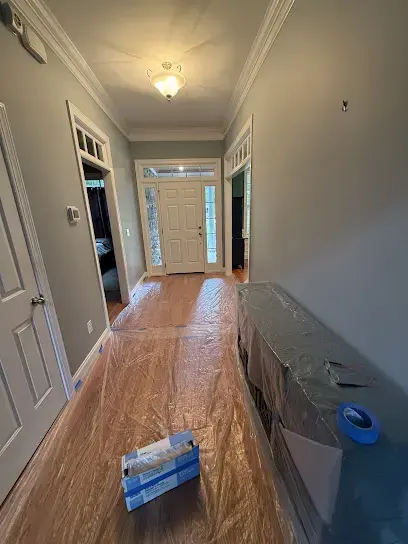
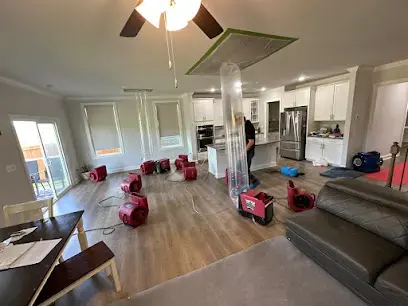
Drying equipment on every Raleigh job
First hour steps for a Raleigh water loss
- 1
Shut the main valve. Raleigh is responsible for mains in the street, but the shutoff and the pipes on your property are yours.
- 2
If the breaker panel sits somewhere dry, switch off the circuits that feed the wet rooms.
- 3
Stay away from water pooled near plugs, extension cords and the water heater.
- 4
Take wide photos of each wet room while everything is still where the water left it.
- 5
Get rugs, boxes and cushions up off the wet floor, then call. Drywall, pad and framing should be drying within 24 to 48 hours.
Water Damage Restoration Services in Raleigh, NC
Thirteen water and sewage services shaped for Raleigh houses, condos and businesses, from creek flooding and split pipes to sewer backups, all held to one drying standard.
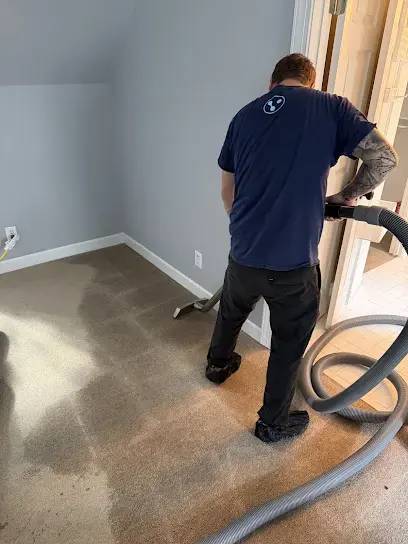 Water Extraction and RemovalTruck-mounted units clear standing water from Raleigh floors so it cannot climb into walls and subfloor.Costs, steps and FAQs
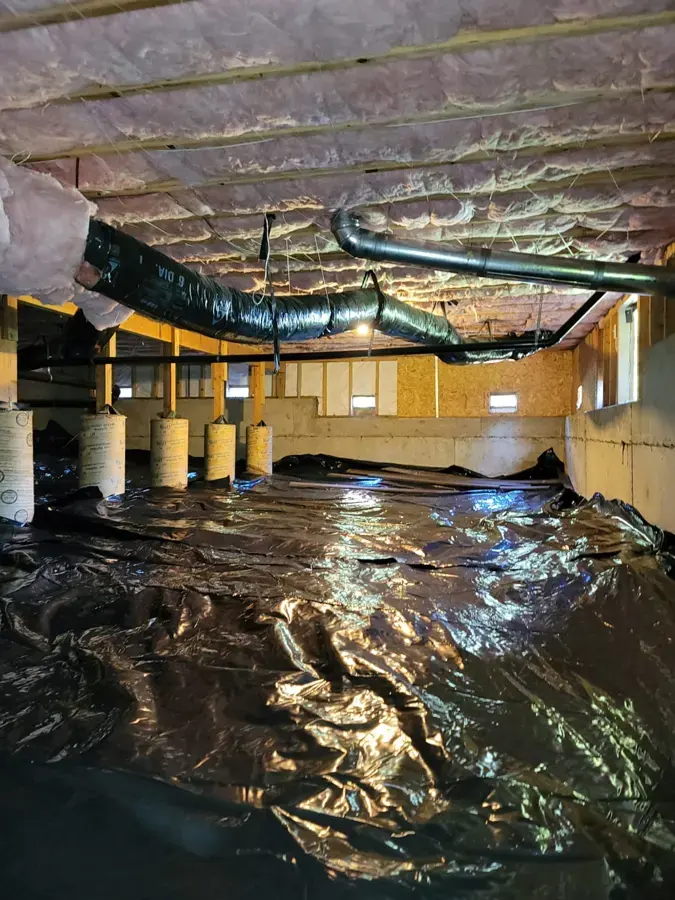 Crawl Space Water RemovalWater pooled under a raised floor pumped out, wet insulation removed and the framing dried.Costs, steps and FAQs
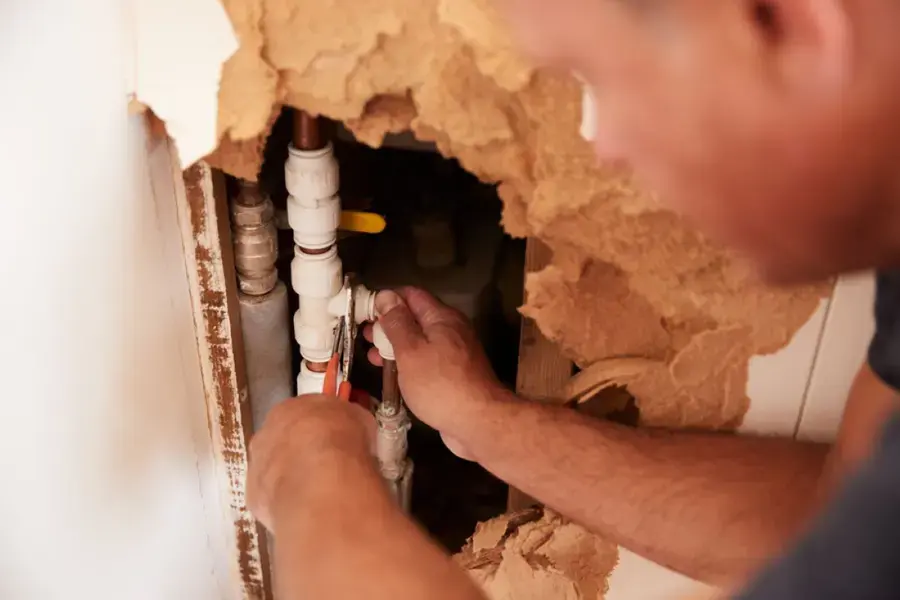 Burst Pipe Water DamageSupply pipes that fail inside Raleigh walls and ceilings, with the cavity opened only where readings show water.Costs, steps and FAQs
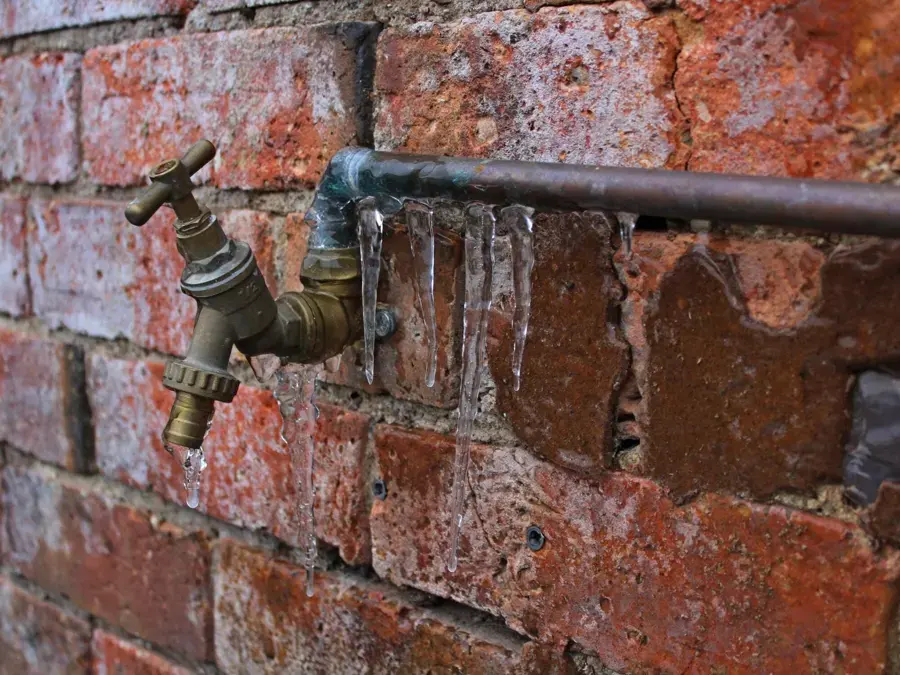 Frozen Pipe CleanupPipes that split when freezing rain and sleet bring a hard cold snap, dried out.Costs, steps and FAQs
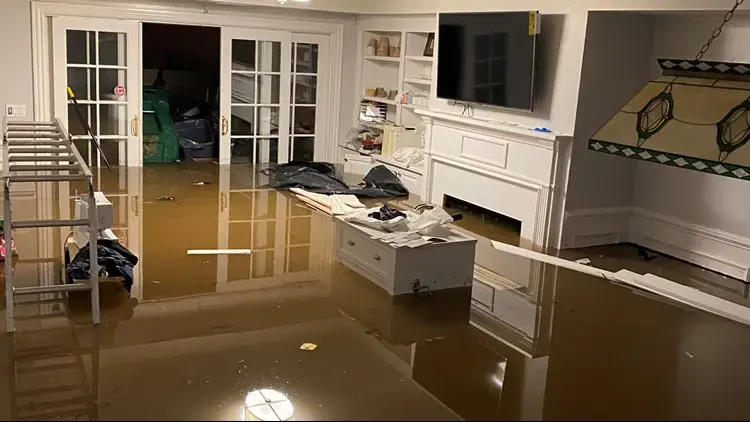 Storm and Flash Flood CleanupHurricane rain and flash flooding like Alberto in 2006, treated as contaminated and dried.Costs, steps and FAQs
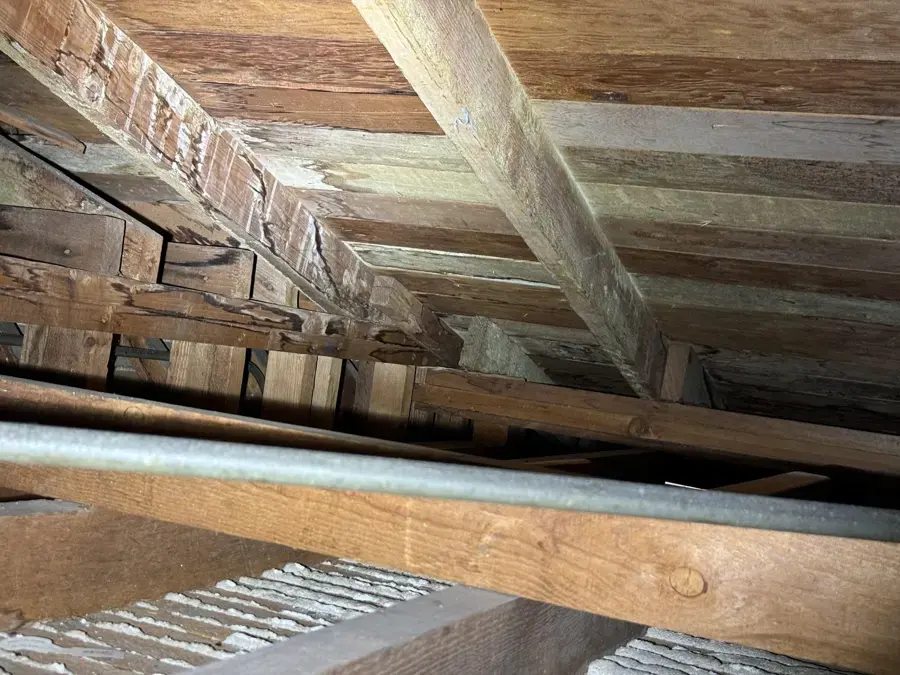 Roof Leak Water DamageStorm, tornado and ice storm damage that lets rain into attics and top-floor ceilings.Costs, steps and FAQs
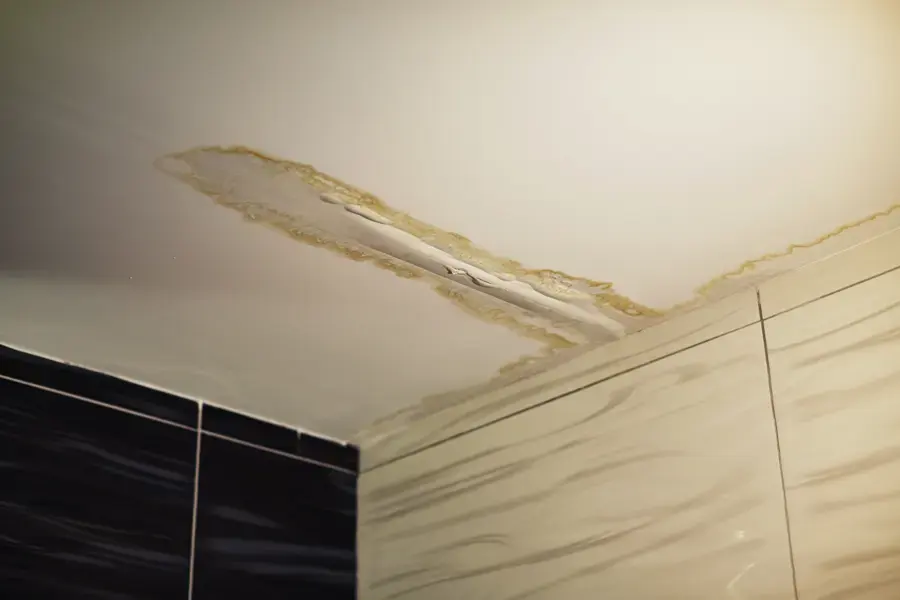 Ceiling Leak Water DamageUpstairs baths and supply pipes that soak ceiling drywall, with joist bays opened and dried.Costs, steps and FAQs
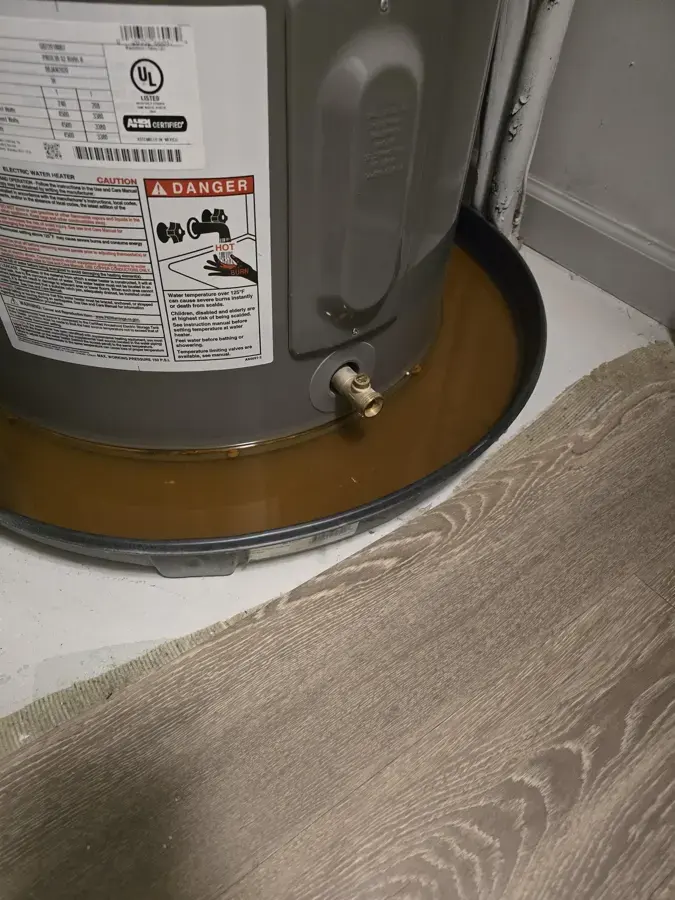 Water Heater Leak CleanupTank failures in garages, closets and attics caught before trim and subfloor soak through.Costs, steps and FAQs
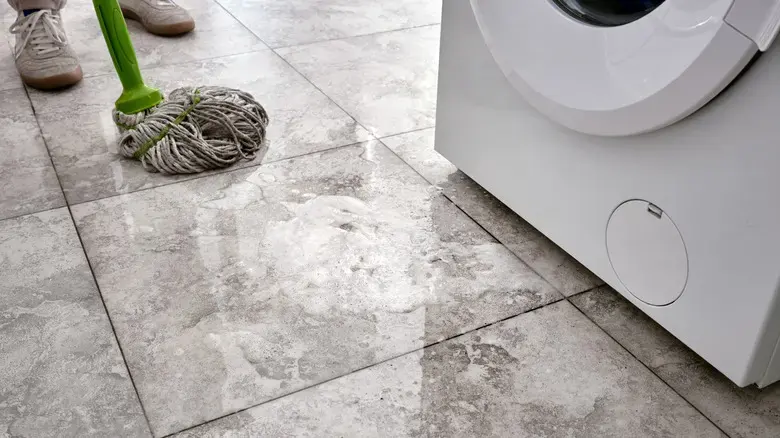 Appliance and Supply Hose LeaksWasher hoses, dishwashers and ice makers that leak under Raleigh floors and cabinets.Costs, steps and FAQs
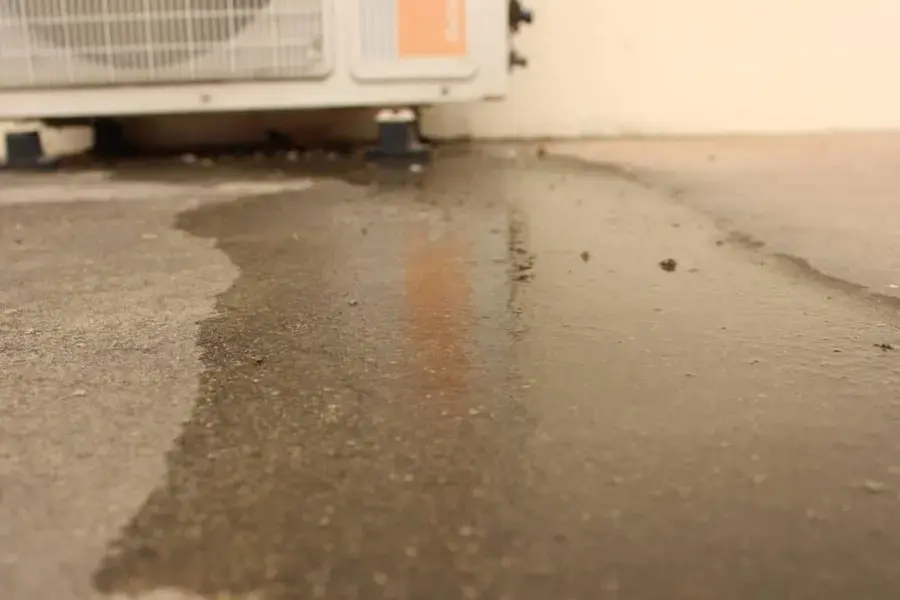 AC and HVAC Condensate LeaksClogged condensate drains and overflowing pans on attic and closet air handlers, dried out.Costs, steps and FAQs
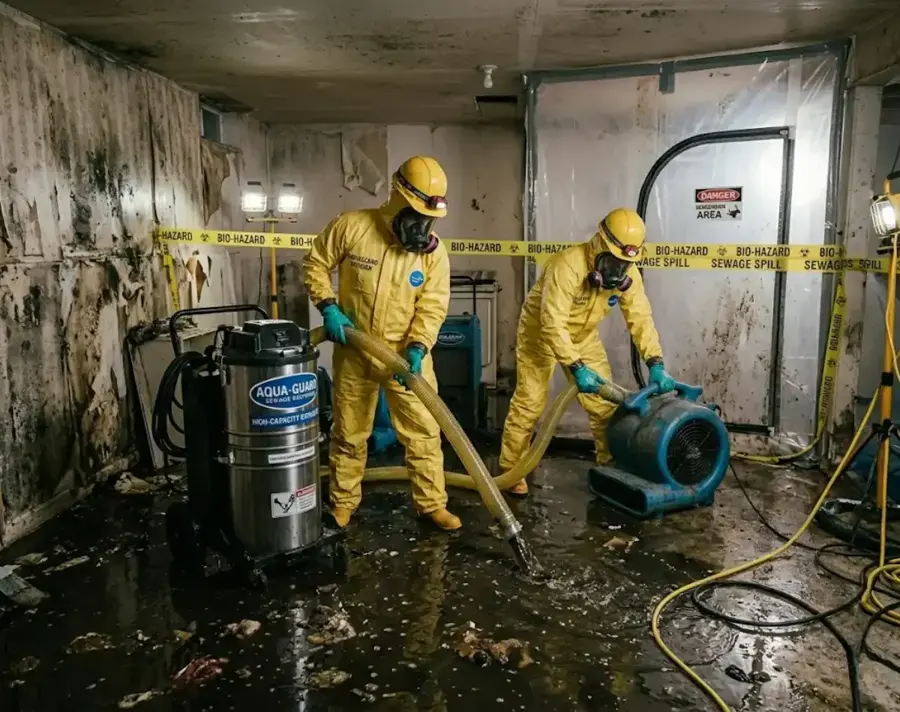 Sewage Backup CleanupBackups between the house and the city main handled as Category 3 and disinfected.Costs, steps and FAQs
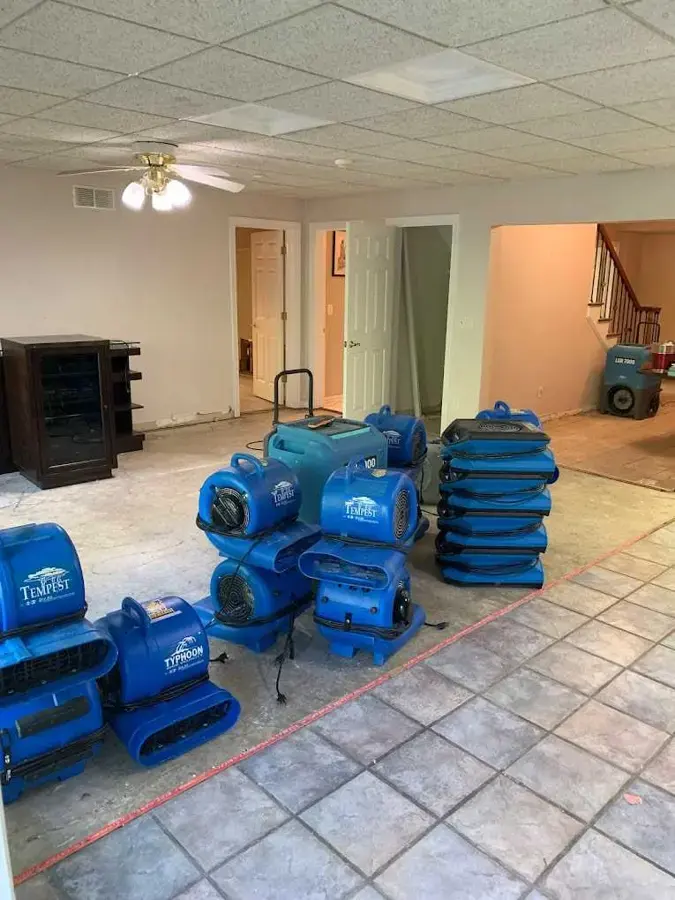 Structural Drying and DehumidificationStuds, subfloor and wall cavities brought back within 2 to 4 points of an unaffected reference.Costs, steps and FAQs
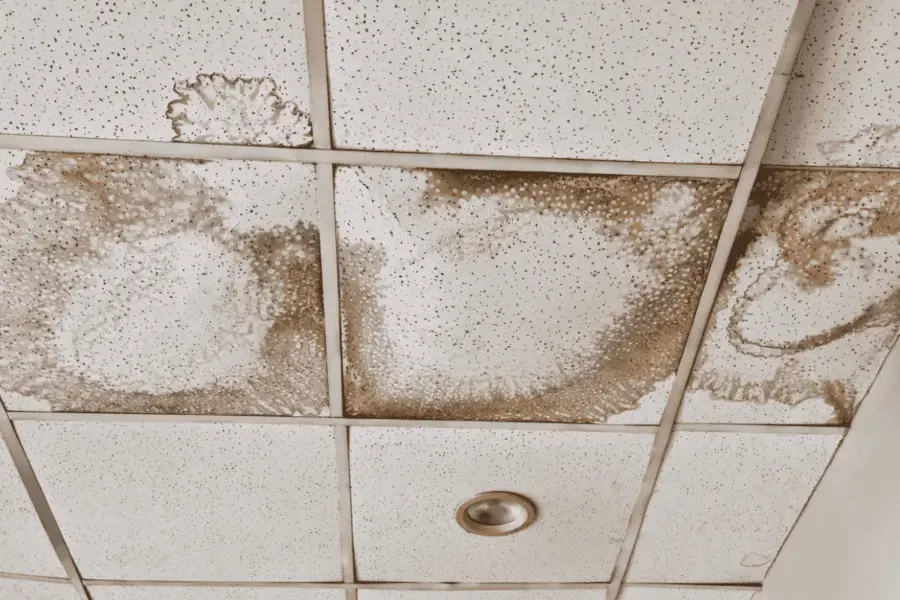 Commercial Water DamageOffices, shops and venues from Fayetteville Street to the Warehouse District dried in phases.Costs, steps and FAQs
All water damage categories covered in Raleigh, NC
Each Raleigh loss gets graded first, since the grade sets what can stay and dry and what gets cut out.
Category 1, clean water
Water straight from a supply pipe, a split frozen pipe or a heater tank. Caught early, the crew removes it and dries the materials where they sit.
Category 2, gray water
Washing machine or dishwasher drain water, an AC pan that overflowed, or clean water that sat too long. Wet pad and insulation are usually discarded.
Category 3, black water
Sewer backups and flood water off creeks and streets. Sealing off the area, pulling porous materials and an EPA-registered antimicrobial come before drying.
Sewage backup cleanup in RaleighWater damage dried to the IICRC S500 standard in Raleigh
A real dry-out and a cosmetic one can look alike on day one. The order of the work and the closing numbers tell them apart.
- 1
Mapping the moisture
On the first visit the tech uses pinless meters and a thermal camera to outline every wet wall, floor and joist, including under the floor.
- 2
Pulling the water
Truck-mounted extraction lifts the standing water out of the house before it can travel into dry rooms or down into the framing.
- 3
Setting the dryers
Air movers go where each room needs evaporation and LGR dehumidifiers capture the moisture, with desiccant units saved for dense wood and plaster.
- 4
Reading it dry
The crew logs readings each day and pulls the equipment only once wet materials match an unaffected reference within 2 to 4 points.
One room of clean water with light materials often takes three to five days. Hardwood, plaster and framing below the floor need more time, and the readings decide when equipment leaves.
Why Raleigh homes get dried right the first time
Rapid local response
Dispatch covers Raleigh at every hour, from Historic Oakwood and Boylan Heights to Southeast Raleigh, and moving water gets top priority.
IICRC S500 drying standard
Framing and subfloor get dried, not only the surfaces, and the equipment stays put until the numbers confirm the job is done.
Claim-ready documentation
Moisture maps, drying logs and dated photos hand the adjuster the evidence a Raleigh water claim turns on.
Raleigh water know-how
Hurricanes, flash floods, ice storms and sewer backups each move water differently, and the local restoration pros plan the drying around that.
What does water damage restoration cost in Raleigh, NC?
Most Raleigh water damage jobs land between $1,200 and $9,500, while sewage or whole-house losses run higher. Four things move the price: the category of water, how many square feet got wet, which materials soaked it up and how soon drying began.
Single room, clean water
- Water pulled and dried in place
- Air movers for several days
- Readings logged daily
Several rooms or below the floor
- Soaked pad and insulation out
- Wall and joist drying
- Dehumidifiers sized to the space
Black water or much of the house
- Sealed work area with HEPA
- Porous materials removed
- Antimicrobial before drying
Try the water damage cost calculator for a rough range on your own Raleigh loss. The final scope comes after the moisture map is drawn.
Documentation for your insurance claim
Adjusters decide a Raleigh water claim on the paperwork. The restoration team builds a file that carries:
- A wet-area map drawn on the first visit
- Temperature, humidity and moisture logged each day
- Photos with timestamps taken before demolition
- The water category and class, plus a line-item scope
Raleigh is responsible for breaks in mains in the street, while pipes on private property are the owner's. A sudden pipe failure inside the house is usually treated differently from flood water, so check your own policy with your insurer.
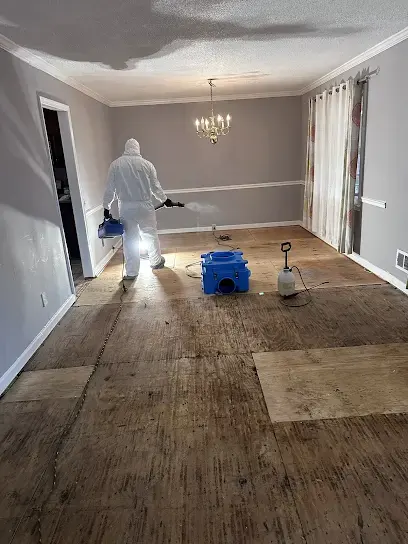
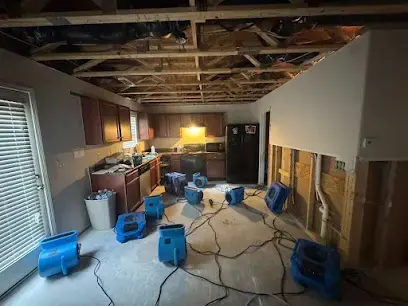
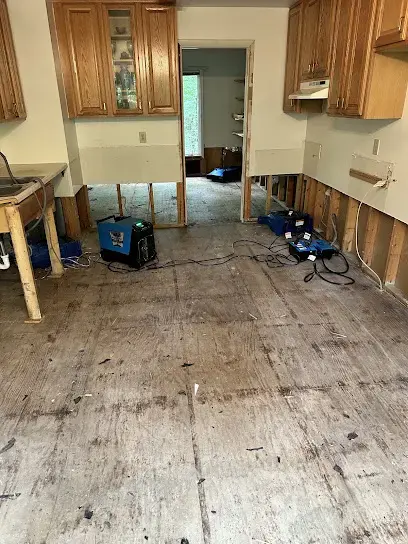
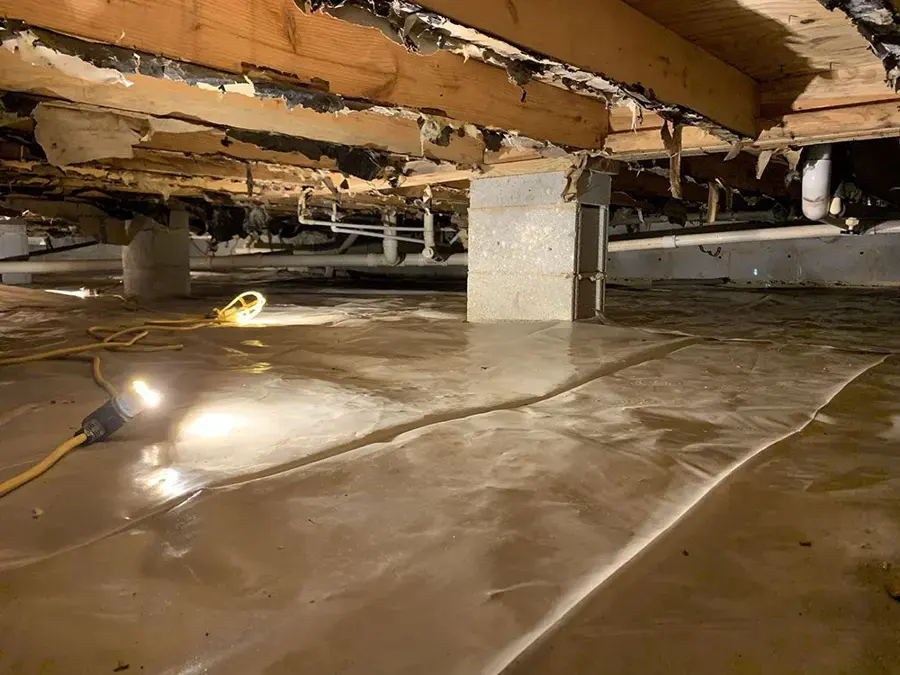
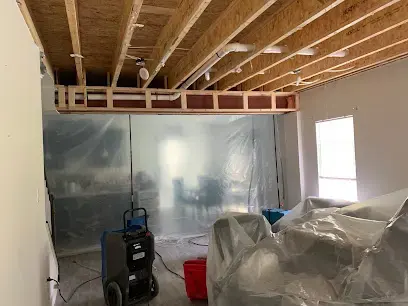
What a Raleigh water damage dry-out looks like
Raleigh neighborhoods and ZIP codes covered
Water removal and structural drying cover Raleigh from Historic Oakwood and Five Points out to Southeast Raleigh along Rock Quarry Road and South Raleigh along US 401.
Raleigh ZIP codes
A sample of the Raleigh ZIP codes covered; every Raleigh address gets the same 24/7 dispatch.
Inside the Beltline
Downtown and nearby
South and Southeast Raleigh
Nearby towns
Emergency water removal in Raleigh, 24/7
Raleigh water damage pros keep dispatch running at night, on weekends and on holidays. The extraction crew shows up with pumps, fans and dehumidifiers matched to the job, whether it is a downtown condo or a house in Southeast Raleigh.
What puts Raleigh, NC homes at risk of water damage
Raleigh is the state capital and the Wake County seat, with 467,665 people at the 2020 census. Its neighborhoods inside the Beltline were typically built before World War II, and its 36 watersheds each drain to a stream such as Crabtree Creek or Walnut Creek.
Storm season, summer into fall
- Raleigh sees hurricanes in late summer and early fall: Fran in September 1996 toppled trees all over the area, and Florence in September 2018 is the latest one to hit it hard.
- Tropical Storm Alberto caused flash flooding on June 14, 2006, and paved ground in the Walnut Creek watershed sends more stormwater into the creek.
Winter, December to February
- Freezing rain and sleet fall most winters and the city averages 5.2 inches of snow, so pipes in unheated spaces can split.
- Raleigh occasionally gets damaging ice storms, and limbs that come down can open a roof to rain.
All year
- Raleigh says most sewer backups start between the house and the city main, where grease, tree roots and flushable wipes build up, and the homeowner maintains that private lateral.
Areas served: Raleigh (27601, 27603, 27604, 27605 and 27610) plus nearby Garner, Knightdale, Cary, Clayton and Fuquay-Varina.
Raleigh water damage questions, answered
How fast can water damage help start in Raleigh?
Dispatch runs 24/7, holidays and weekends too, and moving water anywhere in Raleigh gets treated as urgent. Wet materials that start drying within 24 to 48 hours usually stay clear of the window when mold can start.
Who fixes a broken water or sewer pipe in Raleigh?
Raleigh is responsible for breaks in water and sewer mains in the street. The property owner is responsible for breaks on private property, including the sewer lateral that runs from the house to the city main.
Who provides water and sewer service in Raleigh?
Raleigh Water provides water and wastewater service to Raleigh, Garner, Knightdale and several other nearby towns, and it takes reports of sewer backups, overflows and water leaks.
What causes most sewer backups in Raleigh?
Raleigh says most backups happen between the house and the city main, and it names grease, tree roots and flushable wipes as the usual causes. The city advises having a plumber clear a blockage all the way to the main.
Does a Raleigh home need a backwater valve?
A backwater valve is a gravity check valve on the private sewer pipe. A home likely needs one if its lowest floor sits lower than the closest upstream manhole.
Does North Carolina homeowners insurance cover water damage?
A sudden discharge, such as a burst pipe or a heater tank that gives out, is often covered once the deductible is met. Flood water from creeks and streets usually is not covered by a standard policy, so check your own policy with your insurer.
How long does a water-damaged house take to dry?
One room of clean water with light materials often dries in three to five days. Hardwood, plaster and framing below the floor take more time, and the drying team removes equipment only after readings match an unaffected reference.
What does the IICRC S500 standard cover?
IICRC S500 is the drying standard the restoration industry works to. It lays out how water gets graded, how big a loss is rated and how a crew proves the job is dry.
When does wet drywall need to be cut out?
Drywall wet with clean water can often stay and dry through a few small holes. Drywall soaked by sewage or flood water, or wet so long it swells or crumbles, gets cut out above the water mark.
How is a Raleigh water damage price worked out?
The scope comes from the water category, how many square feet got wet, which materials soaked it up and how soon drying began. The cost calculator gives a rough planning range.
Water in your Raleigh home? Call now.
Water keeps moving into pad, drywall and framing for as long as it sits. The Raleigh restoration crew pulls it out, dries to the S500 target and records every reading for the claim.
- Garner, NC and southern Wake County
- Every hour of every day