Commercial Water Damage in Raleigh, NC
A flooded suite loses days of business quickly. Garner crews handle extraction, containment and phased drying for Raleigh offices, shops and restaurants, with work scheduled around tenants and after hours.
(888) 578-4720Request commercial water help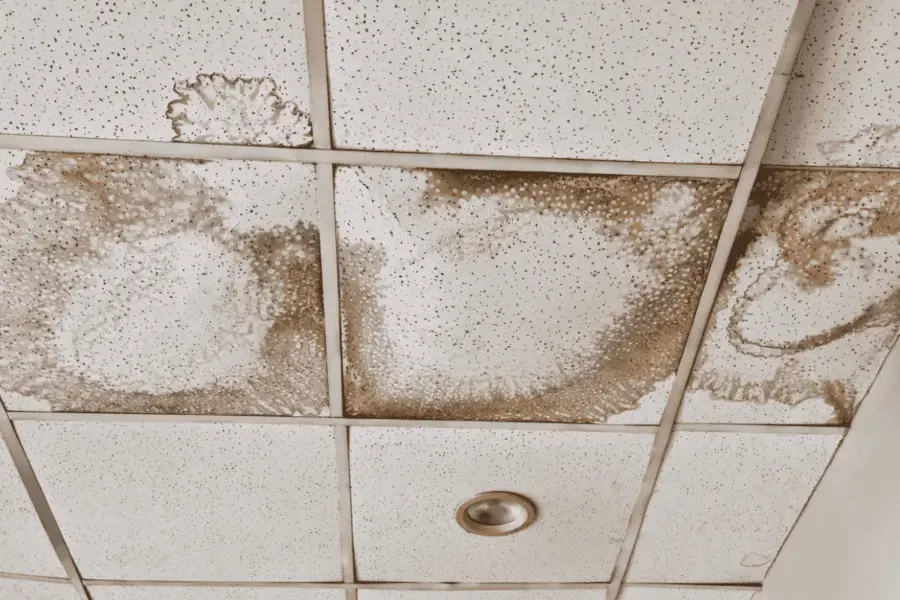
What to do when water hits a business in Raleigh
- Stop the source Close the shutoff for the suite or the building and tell the property manager.
- Protect records Move computers, files and stock above the water where it is safe.
- Photograph first Record the water, the damaged finishes and the inventory for the claim.
- Call the crew Ask for extraction and containment before the water reaches neighboring suites.
How commercial water damage is handled in Raleigh
Measured before anything is cut
The tech who does the walkthrough maps how far the water traveled into subfloor, baseboard, wall cavities and the crawl space, so the plan fits what is actually wet.
Dried as a whole structure
The drying team sizes air movers and LGR dehumidifiers to the class of loss and dries framing and cavities, not only the surfaces in view.
Logged for the adjuster
The restoration team keeps the moisture map, daily psychrometric readings and timestamped photos taken before any material comes out.
What does commercial water damage cost in Raleigh, NC?
Commercial water jobs in Raleigh range from $3,000 for one suite or small shop to $40,000 or more for a whole building or contaminated water. Floor area and after hours work move the price.
One suite or small shop
- Extraction
- Containment
- Phased drying
Large floor or several units
- Large-area extraction
- Desiccant dehumidifiers
- After-hours work
Whole building or Category 3
- Multi-phase project
- Containment and HEPA
- Full claim documentation
Ranges are typical, not a quote. Water category, square footage, material class and how fast drying started move the number most; the water damage cost calculator gives a closer planning range.
The commercial water damage process in Raleigh, step by step
- 1
Assess
Meters and cameras map wet walls, ceilings and slabs.
- 2
Extract
Water is pumped and affected areas are contained.
- 3
Dry in phases
Desiccant units and air movers run section by section.
- 4
Document
Photos, readings and logs are sent to the manager.
A water loss in a business is a schedule problem as much as a drying problem. Tenants, inventory, ceilings and shared walls all have to be considered, and the work is split into phases so part of the space can reopen while the rest dries.
Downtown and the business districts
Downtown Raleigh has offices and shops along Fayetteville Street and in Glenwood South, the Warehouse District and around Moore Square. Each building brings its own concerns: elevators, tenant spaces, shared ceilings and after hours access.
How a commercial job runs
- Water extracted and the area contained
- Wet ceiling tile, insulation and carpet removed
- Desiccant dehumidifiers and air movers placed
- Daily logs sent to the property manager
Large floors and concrete slabs take longer than a house, so desiccant dehumidifiers and heavy air movers are common. Work can run overnight to keep tenants in place, and every phase is photographed for the claim. Restaurants and retail spaces add food service and inventory questions, so contents are photographed, moved and tracked before drying starts.
Schools, venues and offices
Raleigh also has the Wake County Public School System, North Carolina State University, Meredith College and Shaw University, all with large buildings where a burst pipe or storm leak needs a plan before it spreads. Sewage backup cleanup and storm and flash flood cleanup apply when the water is contaminated.
Commercial water damage across Raleigh and nearby towns
Commercial work covers Raleigh from downtown on Fayetteville Street and in the Warehouse District to North Hills, Brier Creek and the Rock Quarry Road and New Bern Avenue corridors.
The same service nearby: commercial water damage in Garner, Knightdale, Cary.
Related water damage services in Raleigh
Commercial Water Damage questions in Raleigh, NC
Can the business stay open during drying?
Often part of it can. Containment separates the wet area, and drying runs in phases so unaffected rooms stay usable.
Is after hours work available?
Yes. Extraction and equipment setup can be scheduled around tenants, and monitoring visits can run outside business hours.
What records does a commercial claim need?
Photos, daily moisture logs, equipment lists and a list of removed materials. The crew keeps these so a property manager or insurer can follow the work.
How is a large floor dried?
Large air movers and desiccant dehumidifiers cover big open areas, while ceilings, walls and slabs are each metered separately.
What if the water is contaminated?
Sewage or flood water requires containment and protective gear, and porous materials like carpet and ceiling tile are removed. Costs rise, and the cleanup follows stricter steps.
Does the crew handle tenant contents?
Contents are photographed, moved and protected so inventory is documented before anything is discarded.
Water in a Raleigh business?
Garner crews extract, contain and dry commercial spaces, with logs and photos ready for the property manager and the insurer.
- Garner, NC and southern Wake County
- Every hour of every day