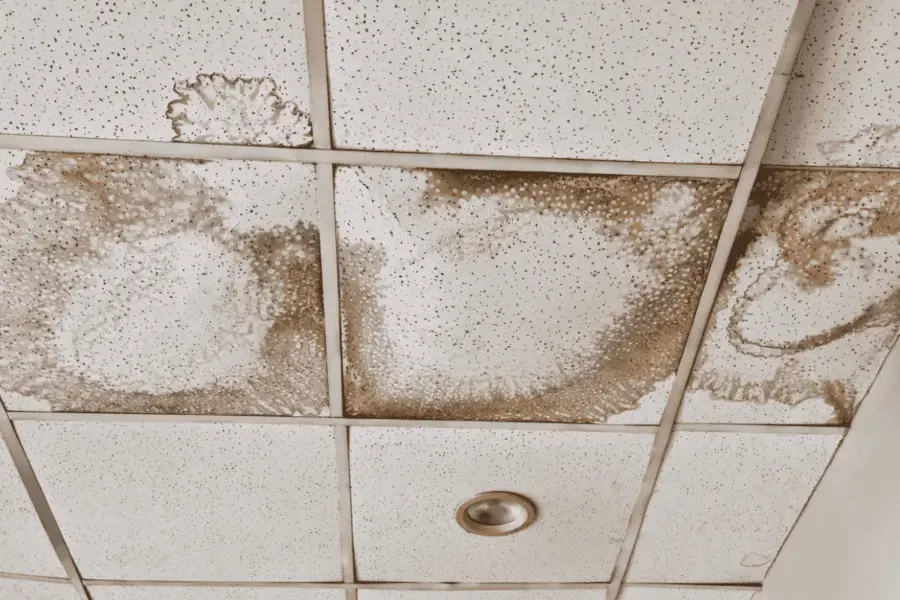
Knightdale Boulevard is the main commercial district in Knightdale, with shops, offices, medical practices and restaurants side by side. When water reaches a floor in one of those spaces, the day-one decisions shape how long the doors stay closed.
Key takeaways
- Stop the water source first, then protect people, power and inventory.
- Raleigh Water runs the public water and sewer system in Knightdale, so a break in the street main is handled differently from a break inside the building.
- Phased drying lets part of a business stay open when conditions allow.
- Photos, inventory lists and invoices support a claim for both the structure and lost business.
- Landlords and tenants should settle early who calls the crew and who calls the insurer.
The first day, in order
A business owner has more to protect than a homeowner: staff, customers, stock and records. A simple order of operations keeps the day under control.
- Stop the source by closing the nearest shutoff valve or the main.
- Turn off power to wet areas and keep people away from standing water.
- Move inventory, files and electronics onto shelves or tables above the wet floor.
- Photograph the water, the source and every damaged item.
- Call the property manager or landlord, then a restoration crew.
Who to call, and in what order
Keep a short call list taped near the office: the property manager, the plumber, the insurer, the restoration crew and the utility. Having the numbers in one place saves the scramble that follows a leak.
Calling the crew early does not commit a business to anything. It starts moisture readings, which show how far the water traveled and whether the problem is larger than it looks.
Where commercial water comes from
The sources are familiar, but the scale is not. A supply break in a ceiling can wet several rooms, and a roof leak can drip over displays and equipment.
Plumbing and roof failures
Aging supply connections, water heaters and roof flashing top the list. Knightdale's rainiest months are July and August, which is when weak roof spots tend to show.
Sewer backups
Raleigh Water says most sewer backups occur between a building and the city sewer main, so the private side is the first place to look. A backup is treated as contaminated water and handled with containment.
Fire sprinklers and HVAC
A sprinkler head that fails or an air handler with a clogged condensate drain can release water over ceilings and inventory. These sources are easy to miss because the water arrives from above and hides in tiles and insulation.
Shops, offices, medical practices and light industrial space
Different spaces need different plans. A retail floor needs fast protection of stock, while a medical office needs records and clean conditions.
Merritt Midway Business Park on Hinton Oaks Boulevard offers flexible light industrial space, where large slabs and equipment change the drying plan. In the original downtown along First Avenue and Main Street, older buildings can hide water in wall cavities.
Phased work in occupied buildings
Light industrial space and retail floors often have more than one tenant under a shared roof. Water from one unit can move through a shared wall into the next, so the neighbors should be told early and each unit read separately.
Who is responsible for what
Raleigh Water owns and operates all public water and sewer pipes in Knightdale, so a break in the street main falls to the utility. A failure inside the building or on private property belongs to the owner or tenant, depending on the lease.
Read the lease early. It usually says who maintains the plumbing and roof and who carries the insurance for the contents.
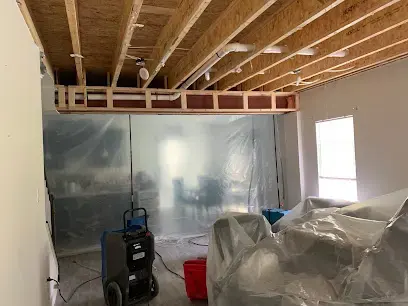
Drying while the doors stay open
A commercial water damage job is planned in phases so a business can keep some space in use. Water extraction comes first, followed by moisture mapping and containment around the wet area.
Dehumidifiers and air movers are placed to protect dry areas, and evening and weekend work can reduce downtime. Structural drying continues until readings show the floor, walls and ceiling are in a normal range.
Hot, humid Knightdale summers slow that work, so equipment is sized with that in mind.
Keeping customers and staff informed
A short sign on the door, a note on the phone message and a call to key clients keep the business credible during repairs. Staff should know which rooms are closed and where to work meanwhile.
Tell the landlord how long drying is expected to take, so repairs and reopening can be scheduled together.
Stock, equipment and records: what can be saved
For a business, the walls are only part of the loss. Stock, equipment and records can be worth more than the structure, so deciding what to save and what to log comes early.
Inventory and displays
Stock off the floor is usually safe. Boxed goods on lower shelves, cardboard packaging and fabric items soak fast and often cannot be saved.
- Lift what is dry onto tables and upper shelves first.
- Separate wet and dry stock and photograph both.
- Keep a count of what was lost, with cost and sale value.
Office equipment and records
Computers, printers and servers should be powered off and left alone until checked. Paper records can sometimes be dried if they are moved quickly, and a medical office has its own rules for handling patient files, so call the person responsible for them right away.
Storm water in July and August
Knightdale's rainiest months are July and August, and a roof leak or a blocked storm drain during a heavy storm is a common way water reaches a floor. The Town of Knightdale asks residents to report flooding right away, since a blocked storm drain may be the cause.
Documentation and the insurance claim
Commercial claims often include the structure, the contents and the days the business could not operate. Each needs its own records.
The Knightdale water damage page lists the other services in town, and the main commercial service page explains how large losses are handled.
- A dated inventory with photos of damaged stock and equipment
- Invoices for emergency repairs and the plumber's finding
- Notes on closed days and lost orders
- A copy of the lease and the insurance policy
Questions
Should a business close right after a leak?
It depends on the size of the leak and the safety of the space. Standing water near wiring, or a sewage smell, means closing the affected area.
Who calls the restoration crew, the landlord or the tenant?
The lease usually settles it. In an emergency, the tenant often calls first to limit damage, then tells the landlord.
Can a business stay open during drying?
Often yes in dry areas, since containment and phased drying separate the work from the open space. The crew can explain what is practical.
What if the water came from the street main?
Report it to Raleigh Water, which operates the public water and sewer pipes in Knightdale. Damage inside the building still needs cleanup.
Does business insurance cover lost sales?
Some policies include business interruption coverage and others do not. Ask the insurer and keep records of closed days.
Can a business reopen before the building is fully dry?
Sometimes, if wet areas are contained and the readings in open areas are normal. A crew can say what is practical after taking measurements.